

When discussing building places, the conversation is often focused on a space’s physical aspects and look and feel. However, there is more to placemaking than just making things look nice. Placemaking should be community-centric and is about creating meaningful places that meet the needs of the people who use them. It’s about understanding the history and culture of a community and using that knowledge to create places that reflect their values and aspirations.
The history of placemaking can be traced back to the writings of William Whyte and Jane Jacobs in the 1960s. However, the term “placemaking” was not coined until 1988 by John McKnight and Peter Calthorpe in their book The Power of Place. Since then, the principles of placemaking have been adopted by cities and communities worldwide to create more livable, sustainable and equitable places.
“Good places are not just the consequence of good planning; they are the product of a delicate alchemy between people and place.” – William H. Whyte.
“Cities can provide something for everybody, only because, and only when, everybody creates them.” – Jane Jacobs.
“Placemaking is an attitude, a way of looking at the world – seeing possibility where others see problems.”- Fred Kent.
What is Placemaking?
Placemaking is often described as an approach to urban planning that focuses on the needs of people rather than commercial interests, cars or retail malls. It’s about creating public spaces that are welcoming and inviting, places where people want to spend time. Placemaking can be done through various means, such as adding seating or green space, providing public art or installing street furniture.
Placemaking principles are based on the belief that the built environment can positively impact people’s lives. Placemaking can lead to increased social interaction, improved mental and physical health, and a sense of belonging.
What placemaking is not?
Placemaking is not just about designing a space to be visually appealing and sellable. It’s about creating places that meet the needs and values of the community, whether that means adding accessible features for individuals with disabilities or providing community gathering spaces for events and meetings.
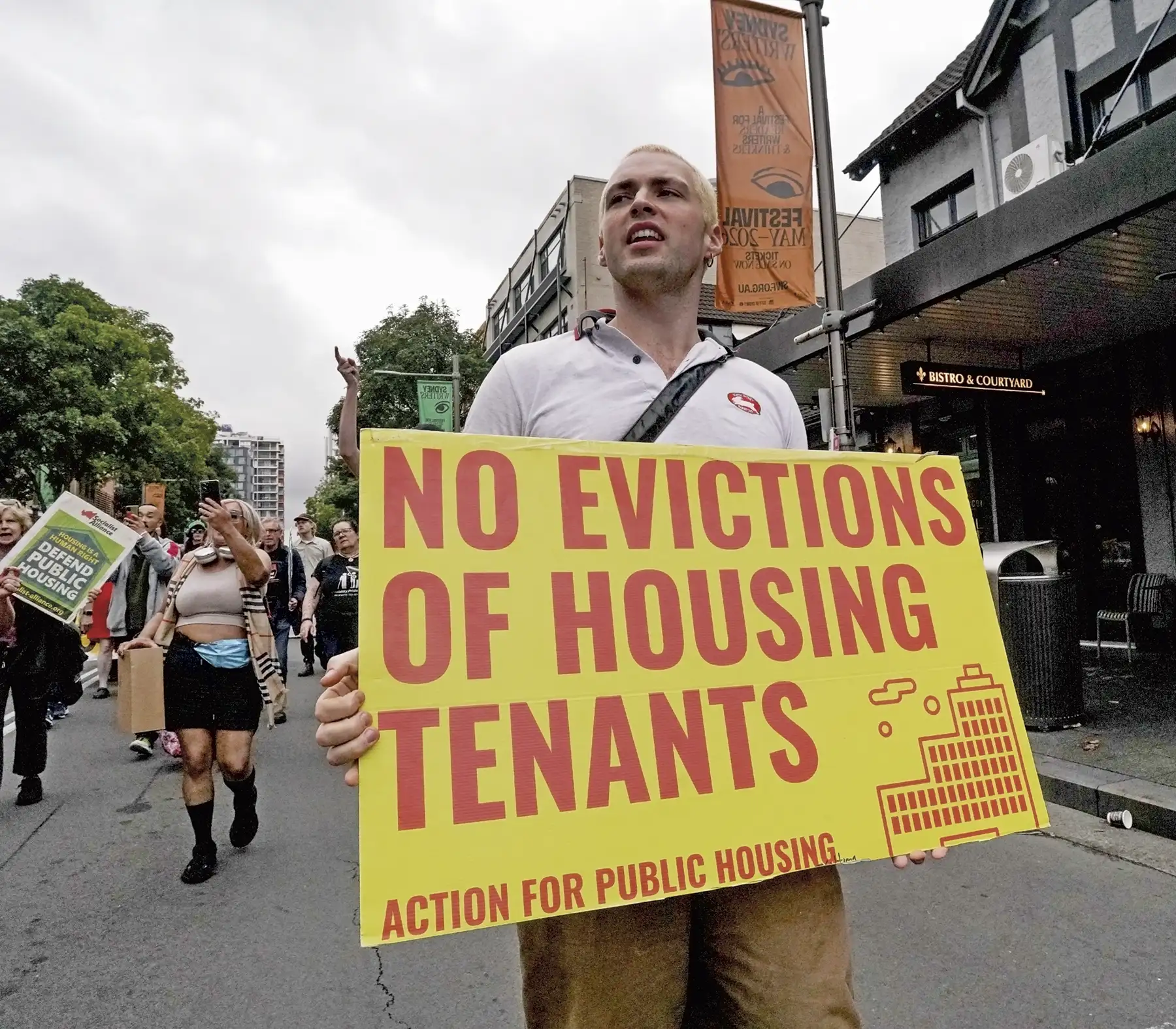
Placemaking does not need to be synonymous with gentrification. While it can lead to improved economic development and increased property values, placemaking should always involve engaging with the local community and ensuring their voices are heard.
As cities continue to grow and change, it’s important to remember the significance of placemaking in creating meaningful spaces for communities. Understanding and incorporating placemaking principles can build vibrant places where people thrive.
Benefits of Placemaking
There are numerous benefits associated with placemaking. For communities, it can lead to increased economic activity, improved Safety and reduced crime rates.
For individuals, it can lead to improved mental and physical health, increased social interaction and a sense of belonging.
Placemaking can Increase accessibility, promote inclusivity, nurture community pride, and foster a sense of ownership in their surroundings. In turn, this can lead to improved quality of life for all.
Placemaking can also have environmental benefits, such as promoting sustainable transportation and green spaces.
Ultimately, the goal of placemaking is to create places of diverse choice that meet the needs and values of the community. By considering and addressing these factors, placemaking can positively impact communities and individuals.
Placemaking benefits the present and considers the future by creating places adaptable to change and growth. In this way, placemaking helps build vibrant, thriving communities for generations.
What makes a place ‘good’?
What makes a place ‘good’ is subjective and can vary based on individual values and needs. However, some common factors that contribute to a good place include accessibility, Diversity, inclusivity, Safety and opportunities for social interaction and community engagement.
Good places also often have a sense of identity and character, reflecting the unique history and culture of the community. In addition, well-maintained, well-managed infrastructure and amenities can also contribute to creating a good place.
Ultimately, the people who live there determine what makes a place suitable. Engaging with the local community, considering their needs, and involving them in decision-making placemaking can create places that are truly good for all.
Additionally, it’s important to note that what may be a ‘good’ place for one person or community may not necessarily be suitable for another. Placemaking should consider and address the diverse needs and values of the community to create a truly inclusive and equitable place.
Planners should utilise local, trusted expertise, not textbook outside consultants that often come in as heroes on white horses, leaving as quickly as they arrived, causing much damage in the process.
What Does Good Placemaking Look Like in Practice?
There are many examples of good placemaking around the world. One well-known example is New York City’s High Line park, built on an abandoned elevated railway line. The park has become one of the city’s most popular tourist attractions, drawing more than 20 million visitors annually.
In Australia, the city of Melbourne has been transformed by a series of public spaces known as “laneways.” These narrow pedestrian alleyways were once neglected areas used primarily for garbage collection and deliveries. Today, they’re vibrant places full of cafes, bars and shops popular with locals and tourists alike.
Another famous example includes the revitalisation of London’s South Bank, transforming it from a derelict industrial area to a vibrant cultural hub with theatres, galleries and public parks.
These examples showcase how placemaking can lead to economic development and increased property values while creating unique and engaging community spaces.
Good placemaking involves physical changes to space and engagement with the local community. This can include gathering feedback and input from residents, businesses and stakeholders during the planning process. It can also involve creating opportunities for community involvement, such as hosting events or offering volunteer opportunities.
It is essential to have a consistent leadership team and impartial place managers who are resourced and have the mandate to act and who are in it for the long term.
In addition, good placemaking needs to be linked with other community and human service plans that address social issues such as accessibility, inclusivity and equity.
Bad Placemaking – An Example from Detroit
Not all placemaking projects are successful. One infamous example comes from Detroit, Michigan, in the United States. In 2013, the city installed several hundred “urban furniture” items to make its downtown area more inviting. These items included benches, planters and sculptures. Unfortunately, many of them were quickly vandalised or stolen, leading to their removal just a few years later.
Other examples of lousy placemaking include gentrification without community input, creating places that prioritise specific demographics or activities over others, demonising current demographics, inserting new NGO providers at the cost of existing trusted ones, and failing to consider the long-term maintenance and management of space.
Good placemaking involves collaboration with the local community, addressing diverse needs and values, and considering both short-term and long-term impacts.
These factors show that placemaking can positively benefit communities and individuals. On the other hand, neglecting these aspects can lead to unsuccessful or even detrimental outcomes.
What elements should a suitable place plan cover?
A good place plan should consider the physical changes and improvements needed for the space, engagement with the local community and addressing social issues. It should also cover resourcing, long-term maintenance and management and potential impacts on the surrounding area. Additionally, it should gather input from stakeholders and address diverse needs to create an inclusive and equitable space.
The place plans aspect should, at minimum, cover
Physical and Design
such as space design, location, mobility, Transport, facilities, Diversity in choice, access, Green spaces, Safety
Structural
Governance, Resourcing, Service Design, Social Support, Community development, Activations, Facilities management, Integration, Collaboration
People
Culture, Connection, Opportunities, Resilience, Participation, Activation, Celebration, History
Placemaking plans need more than creating events, knitting clubs and computer classes; they need to enable the community to connect, create a shared vision and empower people to become active citizens.
The Place plan needs to address the needs of all demographics, including those who may be marginalised or disadvantaged. It must consider long-term sustainability in terms of physical space and social impact.
It needs to create oppututnties for change at a pace the residents are comfortable with and has them at the centre.
It must not just be about not just superficial change or a plan that shies away from complexity or systemic challenges; You can not create a vision for the future by focusing on airy-fairy blue sky outcomes whilst denying current challenges and fault lines.
The plan shouldn’t be rushed. It should provide a roadmap for the future, not just tick boxes for funders or the government, which produce a glossy report that goes nowhere. It must have buy-in from all stakeholders and be constantly reviewed and updated to stay relevant in an ever-changing world.
To summarise, a thriving place plan should involve collaboration with the community, address diverse needs and values, and consider both short-term and long-term impacts. Only through these considerations can placemaking truly benefit communities and individuals.
It is also essential for place-making plans to consider how they fit into broader urban planning and development projects and integrate with existing services and infrastructure. Ultimately, a good place plan should work towards creating vibrant, inclusive spaces that positively benefit the local community.
What is the relationship between place-making and community development?
Place-making focuses on the physical design, management and improvements of a specific location or space. It can also involve engagement with the local community, but its primary focus is on the physical aspects of the place.
On the other hand, community development emphasises relationships, empowering individuals and groups to bring about social change and improve their quality of life.
It also takes a broader approach, addressing more significant systemic issues such as poverty and inequality. While place-making can be a tool for community development, it is not Community development.
In short, place-making aims to create attractive and functional spaces, while community development works towards creating a stronger, more empowered community. Both approaches can positively impact individuals and communities, and both are needed.
Conclusion
Placemaking is more than just making things look pretty or selling a space; it’s about creating meaningful places that meet the needs of people. When done well, it can lead to increased economic activity, improved safety and reduced crime rates for communities, improved mental and physical health for individuals, increased social interaction, and a sense of belonging for everyone involved.
There are many examples of good placemaking worldwide; however, not all projects are successful. Before undertaking any placemaking project, it’s essential to do your research and consult with members of the community to ensure that you’re meeting their needs.
To read more on place-making, check out Project for Public Spaces, the Placemaking Leadership Council, or the Scottish Place standard tool.
Happy placemaking! and please share your progress and experience below.



Leave a Reply