

Tenant Participation vs. Placemaking: Untangling the Web of Community Buzzwords
When discussing thriving communities and social impact, specific terms such as “tenant participation,” “community engagement,” “community development,” and “placemaking” are everywhere. But what do these mean? More importantly—where do people keep getting them mixed up?
In this blog, we’ll clearly define these concepts using insights from respected organisations like the United Nations, Shelter NSW, and the International Association for Public Participation (IAP2). We’ll explore real-world examples from Sydney, Australia, as well as abroad, to illustrate how these approaches work—and where confusion can lead to costly mistakes.
By the end, you’ll be able to confidently distinguish these terms and spot when someone’s using them the wrong way.
Tenant Participation—Empowering Renters
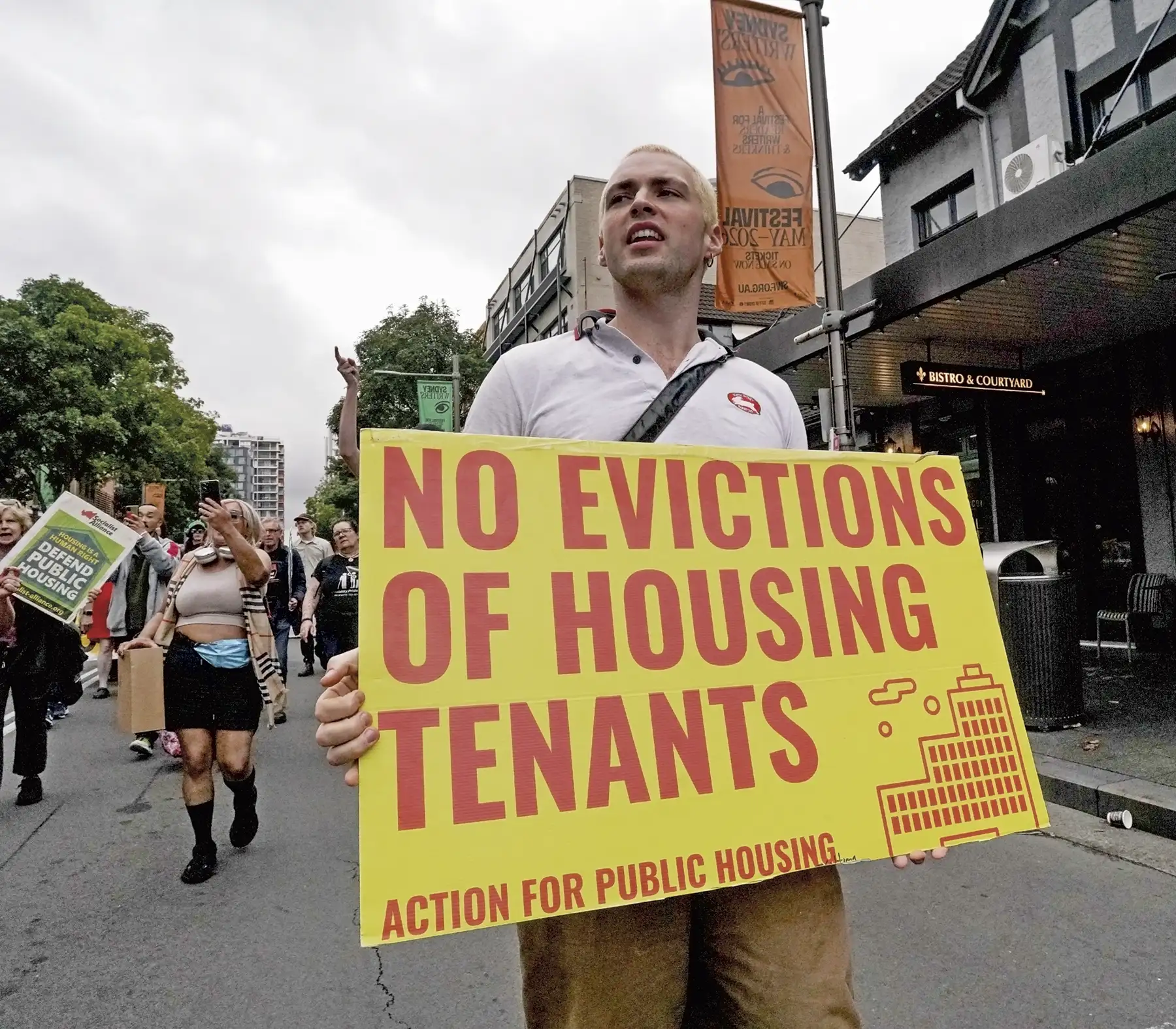
Tenant participation is about renters having a genuine say in decisions about their homes and living environments. As Shelter NSW describes, it’s a process where “tenants are involved in decisions at every level that affect their housing—including policies, management, and services.” It’s especially relevant in the public or community housing sector, involving tenant committees, regular forums, and structured feedback mechanisms.
Example: Redfern’s HNSW Tenant Participation Conferences (Sydney)
Housing NSW regularly brings together tenants in suburbs like Redfern to discuss estate upgrades, tenancy management, and social programs—moving beyond just filling out surveys to actual forums where tenants co-design changes with housing providers.
Where People Get It Wrong
Many think tenant participation is passive—just responding to a survey or putting a note in a suggestion box. Actual tenant participation means ongoing, structured involvement where renters are partners, not just recipients. It’s also often confused with broader community engagement. Tenant participation is uniquely focused on the issues facing renters within the housing provider context.
Community Engagement—Building Bridges with Everyone
According to IAP2, community engagement is “the process by which organisations and communities work together to shape decisions and actions that affect them.” Unlike tenant participation, it’s about involving the whole community—homeowners, business owners, youth, immigrants, renters, and local groups.
Think: public workshops, pop-up street stalls, online forums, and collaborative planning sessions.
Example: Sydney Metro West Consultation
When planning the Sydney Metro West project, state government agencies launched a comprehensive process—comprising public exhibitions, online feedback, and community drop-ins—to ensure that everyone, from business owners to commuters, could have their say about the transport links and urban design.
Common Misconceptions
People often mistake “consultation” (where information is just gathered) for actual engagement. Authentic community engagement is a two-way street—it’s about collaboration and giving people meaningful power to influence outcomes. It also goes beyond talk: it sparks change, collective campaigns, and tangible next steps.
Community Development—Connection, Resilience, and Empowerment from Within
The United Nations defines community development as “a process where community members come together to take collective action and generate solutions to common problems.” It’s about strengthening the community’s capacity over the long term—focusing on self-empowerment, resilience, local leadership, and tackling causes of inequality.
A core element is building strong connections among community members to foster the resilience needed to withstand challenges—whether that be social isolation, economic hardship, or even natural disasters. True community development creates the conditions where people leverage their collective strengths, look out for each other, share resources, and mobilise from within.
Example: Sydney’s The Hive Project (Mt Druitt)
The Hive brings together local families, service providers, and schools in Mt Druitt to design programs addressing issues such as early childhood development and food security. These efforts create not just solutions but also lasting bonds and pathways to independence.
Misconceptions to Watch For
Community development is sometimes mixed up with community engagement, but there’s a crucial difference. Engagement might involve everyone’s input, but development is community-led, grassroots, and focused on long-term capacity-building and empowerment. The aim is self-determination—not just making a decision, but building the ability to respond, adapt, and thrive collectively.
Placemaking—Making Public Spaces for People
The Project for Public Spaces defines placemaking as “the collaborative process by which we can shape our public realm to maximise shared value.” Placemaking brings the community together with designers, planners, and artists to create vibrant, people-first public spaces, whether it’s a pocket park, a bustling market square, or a welcoming main street.
Example: Yerrabingin Indigenous Rooftop Garden (Sydney)
At South Eveleigh in Sydney, local Indigenous knowledge-holders, residents, and urban designers collaborated to create Australia’s first Indigenous rooftop farm, transforming concrete into a thriving community hub that showcases native plants, hosts cultural workshops, and promotes shared food growing.
The Mix-Ups
A standard error is seeing placemaking as something done to a community, not with it. Authentic placemaking is a collaborative process that involves those who use the space daily. It’s also not interchangeable with community engagement—it draws on engagement but focuses on transforming physical places within a neighbourhood or city.
Why the Confusion Matters
Getting these terms muddled isn’t just wordplay—it leads to missed opportunities, wasteful projects, and frustration. Here’s a clear takeaway to keep everyone honest:
- Tenant Participation: Renters play a significant role in shaping and implementing decisions about their homes, particularly in social or public housing.
- Community Engagement: Everyone’s voice shaping broader community decisions and actions.
- Community Development: Grassroots-led, building deep connections, resilience, and long-term power within the community itself.
- Placemaking: Collaborative creation of public spaces that genuinely serve local needs.
Final Thoughts
Each approach plays a specific and vital role in shaping community life. When we understand the differences—and demand others do too—we unlock stronger, more resilient, and more inclusive communities, whether in Sydney or anywhere in the world.
However, real progress is often held back by a lack of understanding, limited opportunities for skill development, and scarce resources. Too frequently, government and commercial entities attempt to package and commercialise these ideas without truly embracing their core values, missing the point entirely. This tendency not only dilutes the impact but can even undermine trust and long-term outcomes.
It’s also crucial to recognise the power of independence that comes from genuinely grassroots initiatives. When communities have autonomy and the freedom to drive their projects, they build confidence, deepen their networks, and lay the foundation for long-term success. In this respect, community centres play a pivotal role in providing impartial support and leadership. As accessible and welcoming spaces, they give people a platform to gather, share knowledge, and develop practical skills—often becoming the very heart of local empowerment and resilience.
So when “community engagement” is waved around without clarity, don’t let it slide. Actual progress starts with understanding and a commitment to independence—let’s get it right. There’s much more to say about how these challenges play out in practice; that’s a conversation for another blog.
Further Reading and Useful Links




Leave a Reply