
Know your End Game
You need to know what you hope to accomplish, what you want to see changed, and who can bring that change.
Define what success will look like at the end of all your activities.
Ensure your campaign ask is realistic and that you have clearly defined what difference it will make and for whom.
Visualising success, clearly articulating your call to action in a simple way that everyone can get it in 60 seconds or less. This will energise you and others, and down the track, it will help you know if you are on point.
If a campaign is not asking for a significant change but a small one, the goal’s plan should reflect that.
Be honest and real; know what resources you currently have to work with and how much time you have and what resources others may bring to the table.
If this is going to be an ongoing campaign, do not underestimate the work involved. A start and stop approach will generally not enable the momentum needed to make a difference, and you could undermine your cause if you can’t sustain the energy required. Working to and celebrating small wins over time can help maintain interest and energy.
Building evaluation into your campaign planning from day one will help you adapt and pivot and learn as you go.
I would always be ensuring having a balance in your setting of process and anticipated outcome indicators and regular check-in and yarns with all your stakeholder’s.
Know your audience
The added benefit of being clear on what you want to change will be clear on whom you need to influence to make that happen.
Design your campaign messaging to reach both decision-makers and benefactors. Your message needs to be heard by the people who can make a difference or those who can influence decision-makers.
It would help to investigate what will get their attention, what worked previously, their motivations and leverage points.
If you are targeting politicians, then visit their offices or hold public meetings where it is in their interest to show up and show them the benefits of your ask.
Use other methods to get press coverage, so your message is heard outside of the target group. Visibility and relationships are crucial to building momentum and support.
Decision-makers talk about noisy people all the time, and they do so for a good reason!
Resources
Manage your resources to produce a campaign that will have an impact.
Manage your expectations, and know when to call it quits or change tact.
Be smart about using limited resources and ensure balance across all elements, including Time, Money, Staff & Volunteers, administration, know what you can afford and be realistic about what others will support in-kind so you plan accordingly. Remember, some promises of support for a range of reasons may fall through, and contingency planning is also essential.
Be willing to run the campaign at different intensity levels through its duration, depending on the circumstances.
Think about your actions in the context of short-medium and long term.
Respect the fact that they are different disciplines and skillsets within any campaign with other objectives and all vital, and you can’t do it on your own.
Publicity – generating it takes hard yakka and requires consistency, but it is the only way to get your message heard.
Keep in mind the idea of a ‘return on investment’ in all your planning.
If you do not see immediate changes, try to measure achievements in other ways, new volunteers, donations, or increased awareness.
Maintaining the campaign
Campaigns need a continuous input of people—resources and flexibility to succeed, especially when dealing with governments whose agenda and priorities are ever-evolving.
Build your capacity to sustain the campaign over time through regular planning and evaluation sessions.
Be careful not to ask too much of any group of supporters or donors and encourage them by showing and celebrating progress and showing genuine gratitude for their support and contribution.
Resolve conflict fast by internal negotiation and be prepared to restructure if necessary. However, never shy away from controversy if it will constructively aid the campaign
Find common ground in the organisations and supporters’ brand and positioning to coordinate activities in the most mutually supportive fashion.
Stay local
in a world where everything can be viewed and run online, good old-fashioned grass-roots campaigns still work best.
Localised, in-person and showing the heart of your cause rather than top-down, remote, head office approach is more likely to generate connection and interest from the people who are most likely to benefit from your cause.
Follow the leader
Having a face, a champion, a clear spokesperson will also aid in building that connection. It brings consistency and connection to your message and cause.
The ideal person should be persuasive, enthusiastic, and well-respected by others and have already established credibility. If that is not you, put your ego to the side, lead from behind and let someone else be the face.
You need a person who is a natural communicator and presenter, someone who has charisma and energy. Someone whom people will believe in because of their empathy and livid experience.
Focus on the solution and benefits
No one likes a whiner, moaning and complaining without credible and achievable solutions.
Why should people care? What is the benefit of them listening and supporting your cause? Why will your idea work over others?
Your messaging ensure you have a solid yet straightforward call to action and tell people what they can do and why they should.
Involve others
Helping hands leads to helping hearts, so ask for help. Make it easy for others to get involved in the campaign. Let them understand how the actions impact the desired change. Show them – don’t tell them! Demonstrate evidence in both the problem and solution.
Design winning messaging
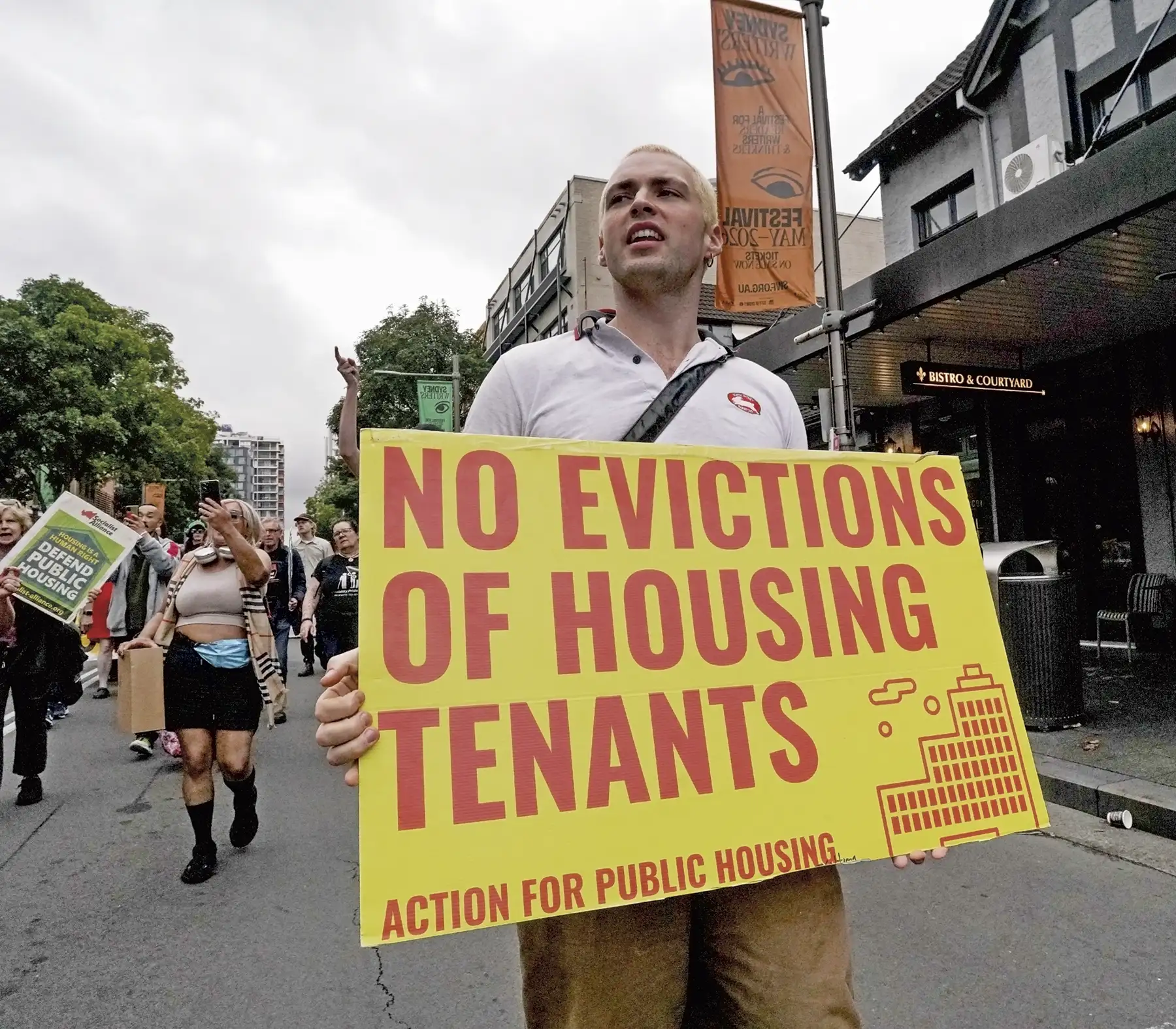
Strong images, simple messaging, and consistent design that pops are crucial to a successful campaign.
This is more so true if you plan to use social media to get your message across.
Less is more in most cases. Overloading your messaging and over-explaining will mean people will get lost, confused, and switch off quickly.
Messaging should be to the point, punchy and say it in one line. Simple is always best.
Putting up posters – designing simple, eye-catching flyers – putting out press releases, video stories using different calls for different ducks.
Campaign Fundraisers and in-person events
Hosted dinners or events are a great way for you to raise funds and meet people who care about your cause, and develop peer momentum.
Campaigns can be challenging, but a little preparation and creativity will go a long way.
We hope these overview tips have been helpful in your following campaign planning process. As always, we like to hear your success tip and lessons learned too.
Let us know how the Provocare team can help!




Leave a Reply