

Australia loves to rest on its laurels as the “lucky country,” but let’s be brutally honest—luck won’t patch the cracks in our social fabric. We dish out self-congratulations for multicultural harmony, but just scratch beneath the surface, and the fault lines are clear, jagged, and growing. Social cohesion? On the ropes. Politicians, pundits, and demagogues parade about with slogans and quick fixes, but the hard reality is that unity demands guts, truth-telling, and a willingness to get uncomfortable.
Truth is, it’s always easier to sugarcoat than to own up to the fractures. Lip service and hollow statements don’t make a nation stronger—they paint over the cracks and leave us exposed when the real storms hit. A resilient Australia must be willing to call out its ruptures, challenge its own myths, and take real action when it counts.
Let’s call it like it is: here’s what’s tearing us up—and the gritty, necessary ways we start healing.
The Big Three: What’s Breaking Us?
Social cohesion doesn’t just slip quietly out the door. It’s stalked and driven out by racism, extremism, and the relentless drip-feed of misinformation. In 2024, these aren’t background noise. They’re front and centre, each with their own toxic playbook.
1. Racism: The Undefeated Heavyweight
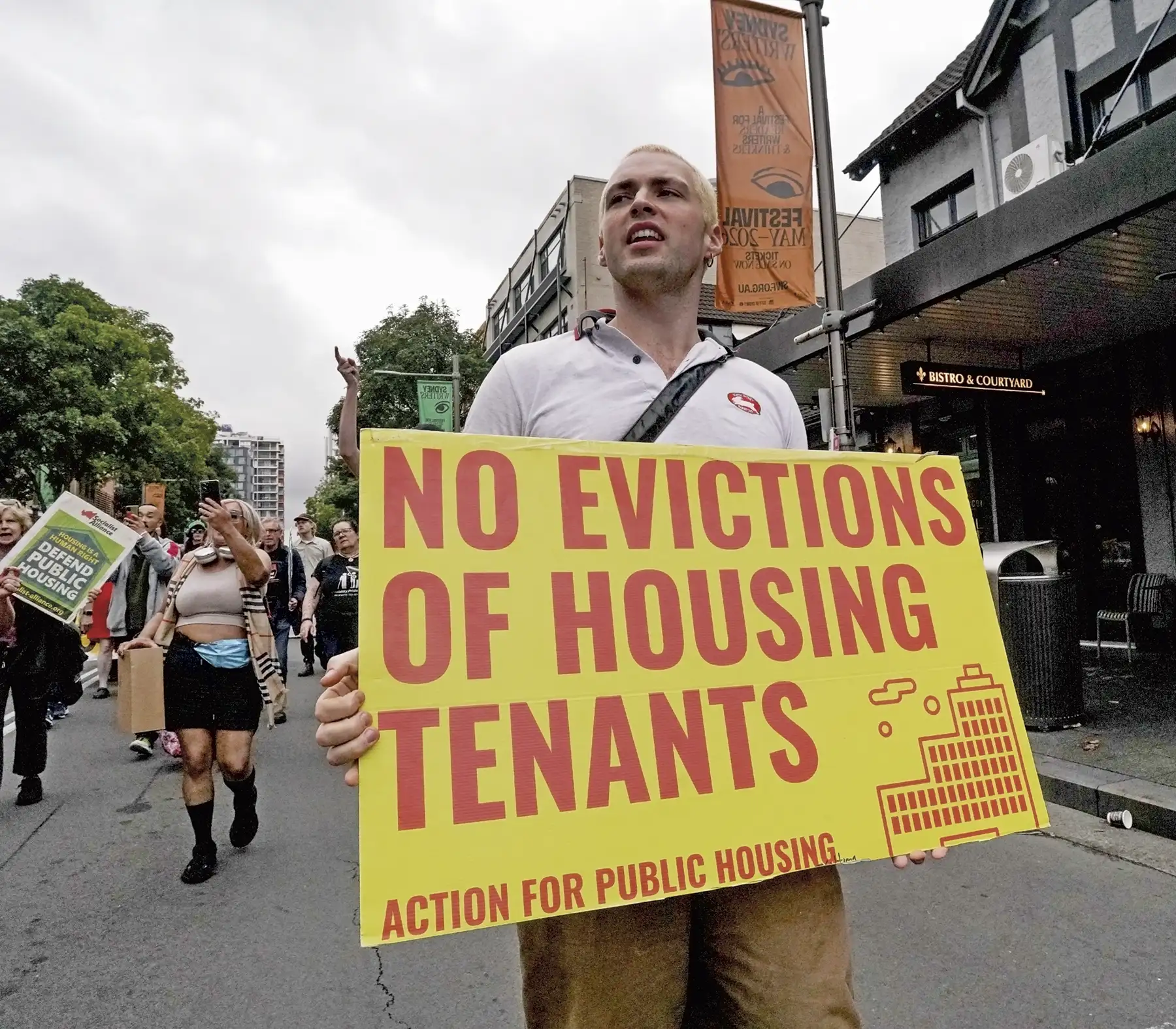
No, racism isn’t yesterday’s news. It’s the ugly undercurrent still running through job interviews, housing applications, and playground politics. We clutch our “diversity” badges, but let’s not pretend everyone’s getting a fair go. Locked-out boardrooms, offhand comments, side-eye glances, silent exclusions—they all chip away at the essential “we.” Racism fractures us, spawns bitterness, and sets up shouting matches across divides that should never exist.
2. Extremism: The Siren Song of the Fringe
Extremism is no longer the outlier; it’s staged a hostile takeover of family group chats, university debates, and the national mood. Forget Hollywood images of radicals—most extremism festers quietly, supercharged by online echo chambers and old wounds that never healed. When every issue is a battleground and every opposing view is the enemy, the idea of compromise becomes extinct. “Community” shrivels, replaced by rival camps itching for a fight.
3. Misinformation: The National Acid Bath
We’re up to our eyeballs in “news” but starving for facts. Outrage is currency, wild claims travel faster than reason, and social media turns every crackpot theory into a trending topic. When facts become optional and lies rocket around unchecked, trust disintegrates. The results? Fear, suspicion, conspiracy fever—and a nation fragmented into paranoid cliques.
The Real Arsonists: Politicians and Media Playing with Fire
It’s tempting to blame society’s cracks on the usual suspects, but here’s the spicy truth: politicians and media outlets have become masters at weaponising division for their own gain.
The Left vs. Right Circus: Sabotaging Us for Sport
Every issue, from immigration to housing to climate, is twisted into a left-right tug of war. You’ve got the “anti-establishment brigade” slinging mud at faceless elites, convinced every problem is a stitch-up by the powerful. On the flip side, the “we know better” crowd sneers at those who question the official script, writing off unease as ignorance or bigotry.
Swing into an election cycle, and it’s pure theatre. Politicians crank up the dog whistles—”border security,” “gang crime,” “Aussie values”—all to rally their base and watch the country squabble while real problems fester. The media, not to be outdone, packages every squabble as entertainment, feeding us outrage for breakfast and never letting the temperature dial back down.
This isn’t news. It’s a fire sale on unity. Our shared future is auctioned off for a few points in the polls or a primetime ratings spike.
The Weaponisation Playbook
- Racially tinged scare campaigns: Like clockwork—dredged up whenever a vote needs shoring up.
- Shout-fests disguised as debate: Every serious issue reduced to left versus right, patriot versus traitor.
- Pundits peddling division: Whipping up anger to keep the clicks coming.
If you’re struggling to start a real conversation with someone across the fence—if everyone seems entrenched, wound up, and spoiling for a fight—this is why. The national mood isn’t an accident; it’s engineered.
The Price of Inaction: What Happens If We Don’t Fix This?
Let’s not dance around it—when social cohesion is left to rot, what follows isn’t pretty—mistrust spikes. People dig into bunkers, blaming “the other” for whatever’s gone wrong. Public debate gets nastier, the margins grow wider, and it’s the most vulnerable who get burned first.
Societies that let cracks become chasms pay a real price: rising extremism, fragile democracy, everyday cruelty, and a shrinking sense of “us.” The longer we let this go, the harder it gets to claw our way back.
Rebuilding Trust: Hard, Honest, Non-Negotiable Work
We can’t talk about social cohesion in Australia without reckoning with the experiences of Aboriginal and Torres Strait Islander peoples. Colonisation, dispossession, and generations of broken promises have left deep scars—scars that still shape our communities today. Any attempt to rebuild trust that sidesteps this reality is doomed to repeat old cycles of tokenism and exclusion.
But look closer, and you’ll also see the blueprint for healing. Aboriginal communities have been practising social cohesion for tens of thousands of years—fostering kinship, harnessing deep connections to country, and building consensus through genuine dialogue. These aren’t just survival skills; they’re a masterclass in resilience and community-building that all Australians can learn from.
Across the nation, First Nations-led initiatives are already leading the way. From language revitalisation programs to community-led health and justice projects, Aboriginal leadership offers real, lived examples of how to bridge divides and create spaces where everyone belongs. Celebrating these successes—and embedding their lessons in all our efforts—isn’t charity. It’s smart, and frankly, it’s essential if we want solutions that last.
Policy is a baseline, not the finish line. Stomp out prejudice one uncomfortable conversation, hiring decision, and committee meeting at a time. Challenge sameness wherever you see it. Ask who’s missing from the table—and demand a spot for them. Genuine empathy means listening, not out of politeness, but real, stubborn intent to change.
The Antidote to Racism: Radical Empathy and Daily Grit
Draw from the grit and openness modelled by Indigenous Elders—listen deeply, act together, and insist on genuine inclusion in every sphere. True empathy means not just inviting different voices but deferring to those who have been building community long before modern Australia first heard the word “cohesion.”
The Antidote to Extremism: Make Belonging Unmissable
People slide toward extremes when real connection goes missing. We need more “third spaces”: shed meetups, shared gardens, community kitchens, anything that forces honest bump-ins between people who wouldn’t usually mix. Get people stuck into practical projects together—politics parked at the door. That’s how you erode suspicion and build the sort of belonging extremists will never be able to offer.
Again, there’s much to learn from Aboriginal cultures, where community comes before ego and collective responsibility is baked into the culture. When everyone is held accountable for everyone else, exclusion loses its grip.
The Antidote to Misinformation: Ruthless Curiosity and Relentless Dialogue
Trust returns when we relearn how to argue without burning bridges. Seek out the spirited back-and-forth. Fact-check, train others to do so, and run community media literacy as if the nation’s future depends on it—because it does. Honouring Indigenous voices—often shut out or misrepresented in mainstream narratives—must be a key part of any honest dialogue about who we are and where we’re going.
Don’t Fall for the “Build It and They Will Come” Trap
Here’s a critical lesson—doesn’t matter how shiny your program or policy is—if it’s designed behind closed doors, people won’t show up. Cohesion is built with the community, not for them. Listen first, co-create continuously, and make sure every event, project, or space is shaped by the people it’s meant to serve. Ownership equals commitment. Exclusion equals failure.
The Power of Social Infrastructure: Community Centres and Local Leadership
If you want to see social cohesion in action, walk through the doors of a well-run community centre. These places—sometimes humble, sometimes grand—are the true engines of belonging. Community centres do more than offer a hall or a budget for activities; they provide a safe, inclusive environment where people from all walks of life can gather, share stories, debate ideas, and be together without labels.
Crucially, the leadership behind these centres matters just as much as the bricks and mortar. Typically rooted in the neighbourhoods they serve, these leaders understand the nuances, histories, and aspirations of the people who pass through their doors. When empowered and well-supported, they act as connectors, problem-solvers, and advocates—often bridging divides that policy alone cannot touch.
Across Australia, it’s the local volunteers, coordinators, and community organisers who light the spark for honest dialogue and connection. Without investment in these social infrastructures and their champions, initiatives aimed at cohesion become bureaucratic box-ticking exercises rather than engines of real change.
A Challenge for the “Leaders”
Take heed, politicians and media: put down the matches. You want to lead? Prove it by dialling down the rhetoric, digging into nuance, and refusing to cash in on division. Spotlight the solutions, not just the scandals.
— A Challenge for the “Leaders”
Take heed, politicians and media: put down the matches. You want to lead? Prove it by dialling down the rhetoric, digging into nuance, and refusing to cash in on division. Spotlight the solutions, not just the scandals.
Your Move: Reclaiming the Middle Ground
Social cohesion isn’t about groupthink or enforced smiles. It’s messy, frustrating, vital work—the act of choosing to see “us” in all its untidy, passionate, gloriously different forms.
The people playing politics with our pain are out there—no denying it. But community isn’t powerless. Start a tough conversation. Refuse to let anyone decide who you should fear. Build something—with your neighbours, not just for them.
The cracks are real. So is the light seeping through. It’s our job to widen the light, not the distance. Let’s get to work.


Leave a Reply