

Over the course of this series, we’ve laid bare what makes social cohesion the lifeblood of any thriving society. It’s not a background nice-to-have—it’s the glue that keeps our communities together in crisis and the fuel that drives us toward a fairer, bolder future. We’ve seen neighbours turn strangers into friends, community heroes create opportunity from adversity, and local halls pulse with the energy of genuine connection. But let’s not sugar-coat it: unless we actively defend and rebuild cohesion, the cracks will widen, and the damage will last.
Those cracks are getting deeper.
As we look forward, we aren’t just facing gentle headwinds—we’re staring down storms. False narratives, calculated division, political chest-beating, and unchecked digital chaos slam at our collective door. But the tools for rebuilding are still in our hands. The real question is whether we’re willing to wield them with courage and clarity.
The Elephants in the Room: Why We Are Fracturing
We will not patch up what’s broken by whispering platitudes. If we want to rekindle social cohesion, we have to stare our ugliest truths straight in the face and speak loudly enough that those on the fringes—by choice or circumstance—know they are heard.
When Leadership Fans the Flames
Let’s talk honestly about the role of “leadership”—not with soft gloves, but with the urgency we deserve. Too often, politicians and public figures wield social cohesion as a campaign slogan while turbocharging the very divisions they claim to fight. Instead of listening to what fuels public anger—job loss, prejudice, neighbourhood decay—they too often grab a megaphone, point at the “other,” and declare war. They pass “unity” policies that are little more than PR bandages, while the wound festers beneath.
But the failure cuts even deeper. Leadership that prioritises self-preservation over service doesn’t just stall progress—it opens the floodgates for even greater harm. When people feel unheard, disconnected, or simply angry, their frustration becomes fertile ground for extreme parties and fringe movements. Disenfranchised voters, sensing that mainstream leaders are more interested in protecting their own positions than addressing real issues, begin to search for alternatives—no matter how radical. When leadership is afraid to risk losing favour with their base, when party unity trumps national unity, the result is predictable: alienated citizens are driven into the arms of extremists who claim to listen.
What’s happening in the USA offers a powerful—and troubling—illustration. The recent shooting of Alex Pretti by federal immigration agents in Minneapolis didn’t just add another name to a grim tally; it sparked waves of protest and fury across the country. Here, the clash between heavy-handed enforcement and community fear took centre stage. Leadership, in this context, has not bridged divides or calmed tensions—it’s thrown accelerant on the fire. Conflicting official accounts, communities already feeling marginalised, and a cycle of unchecked public anger have all combined to deepen the fracture. Instead of restoring confidence, these events highlight how disenfranchised and unheard populations can tip from frustration to outrage, and how the gap left by absent or adversarial leadership becomes the breeding ground for more radical voices and movements. When people see those in power using force rather than empathy, or spinning narratives rather than owning up, trust unravels and the sense of “us versus them” becomes entrenched—sometimes fatally so.
The recent implosions in Australia within major political parties aren’t just palace dramas; they’re warning signals. Leaders—terrified of being seen as supporting “the other side” or threatened by internal party strife—too often choose party survival over genuine reform. The battles over hate crime legislation, dramatic cabinet walkouts, and high-profile splits show that what’s at stake isn’t just parliamentary showdowns, but whether anyone at the top is willing to step up for the public good. It’s the failure to honestly address root causes—inequality, fear, division—that turns discontent into a rallying cry for those peddling hate and division.
Leadership is more than just passing the so-called ‘pub test.’ It demands the courage to break ranks, forge unlikely alliances, and put country above party—even if it means career suicide or temporary exile from power. If leaders truly want cohesion, they must step out of the echo chamber, step into our streets, and listen—really listen—even when what they hear is uncomfortable, raw, or messy. Social progress is forged not in the smoky rooms of political calculation, but in the willingness to stand alone on principle when it matters most. When leaders refuse to do this, they don’t just fail to solve the problem—they risk making it far, far worse.
The Digital Firestorm: Misinformation and Mayhem
Wake up: the internet is no longer a neutral town square. It’s a battlefield, and most of us don’t even know we’re fighting. Algorithms wrench us apart, luring us into echo chambers that drip-feed outrage, suspicion, and outright lies. Newsfeed after newsfeed trains us to see “the other side” as a threat, not a neighbour. Faceless trolls and bots lob grenades with impunity, lighting matches in dry grass.
We’ve seen conspiracy theories infect family dinners or violent rhetoric leap off screens into the street. Remember the misinformation that fueled community panic during the pandemic? Or the culture war pile-ons that saw young activists and community workers harassed into silence? These aren’t outliers—they’re the new normal, and they’re engineered, not accidental.
Unless we demand real accountability from tech giants, invest in digital literacy across every age, and create safe, open forums to hash out differences constructively, we’ll keep spinning further apart—one angry post at a time.
The Economic Bombshell
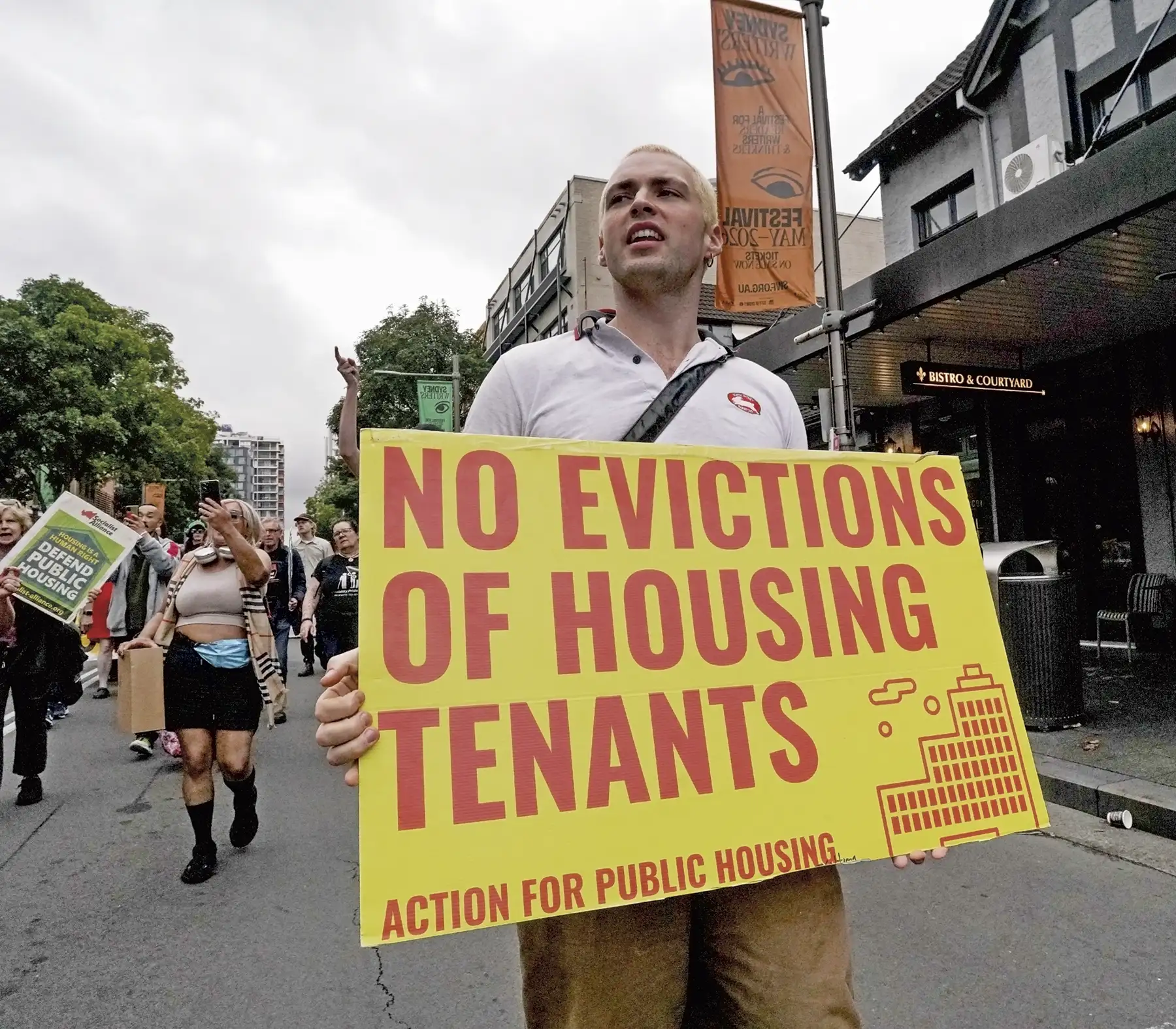
You can’t fill an empty stomach or pay skyrocketing rent with “community spirit.” Inequality is a knife in the back of trust. Young people, working families, and underrepresented communities are being squeezed every day while the powerful hold tighter to profits and privilege. When opportunity dries up, so does hope, and what remains is resentment that seeps into every crack in our social fabric.
Cohesion starts with dignity—fair wages, safe housing, accessible services, and the chance to have a real stake in the future. Until everyone sees that stake, unity is nothing but noise.
The Antidote: Community Centres as Radical Social Infrastructure
It’s time to shine a floodlight on community centres—not as sentimental relics, but as the engine rooms of collective strength and belonging. Forget dull pamphlets and faded noticeboards. Step into a buzzing centre and you’ll see survival strategies, creativity, and leadership in action.
Community centres are the front line of real change.
- They are safe havens in storms—offering shelter, food, advice, and an end to isolation.
- They’re the launchpads for bold ideas, where immigrant parents learn English alongside local retirees, and where young people run programs that transform empty afternoons into futures.
- They are battlegrounds for resilience—standing up to political neglect, bridging divides that leaders ignore, and holding authorities to account when no one else will.
Don’t underfund, under-recognise, or underestimate them. To do so is to cripple our social immune system. When a neighbourhood centre thrives, so does every person in its orbit: the isolated elder, the stressed-out parent, the struggling teen. These are places where democracy is lived—where every voice is heard, where conflict is managed, where difference is not feared but welcomed as the heartbeat of real community.
If you think roads and bridges are essential, start talking about resource-hungry centres as “critical infrastructure”—because in the aftermath of disaster or division, it’s these open doors, not distant policies, that offer hope.
Seizing Opportunities: Innovation From the Ground Up
If there’s fuel for optimism, it’s found in the fearless spirit at the heart of every grassroots movement. Forget waiting for distant decision-makers. The real innovators are the people who roll up their sleeves—parents starting breakfast clubs, teens running cultural nights, and elders teaching history from the back of a minibus.
Grassroots, Not Red Tape
It’s the self-organising local groups—like 17x16CDP, Peer Educators, or Tribal Warrior—that are patching up wounds and building bridges where others have failed. Every time these champions succeed, it’s because no one told them “that’s impossible.” We need to supercharge their impact, not bury them in bureaucracy or pit them against each other for scraps.
Tech That Heals, Not Divides
Let’s demand technology work for us—not against us. Support platforms that unite neighbours for good—emergency response groups, truthful local journalism, real human storytelling. Insist that regulators force Big Tech to fix broken systems, or people will continue to be collateral damage in a game they can’t win.
Education That Arms Us with Empathy
The frontline for tomorrow is the classroom, kitchen table, and youth group. Empower every person—kids, parents, elders—to spot a lie, challenge their own assumptions, and see the pain and possibility behind every angry headline.
Lessons Forged in the Fire
Looking back at this series, what stands out is not theoretical answers but lived truth:
- Action Over Talk: March together, plant together, mourn together, create together—and unity will follow.
- Power to the Local: Trust your neighbours before you trust the nightly news. The real answers start on your street, not in some distant capital.
- Conflict Is Fuel, Not Fire: We will fight, we will disagree. What matters is whether we build something stronger from the ashes.
- Radical Welcome: Not just lip service, but the hard work of making every person—every background, every opinion, every story—truly belong.
Ignite the Change: Your Community Needs You
This is your call, not Canberra’s: Step into your neighbourhood centre. Knock on a door you haven’t before. Volunteer. Start something others say is impossible. Challenge your leaders—demand funding for your community hubs. Tell schools and local councils that you expect spaces for connection, not just policies on paper.
Reach out to someone whose story shocks or angers you and ask them why. Listen—truly listen. Be the person who bridges, not the one who builds walls.
Social cohesion isn’t built by waiting. It’s built in the mess, the passion, the disagreement, and the showing up, day after day.
We have the blueprint. We have the tools. The real test is whether we have the fire—and the guts—to use them. Let’s not just aim for living side by side peacefully, but for lighting up our future by standing up, fighting, and building together.




Leave a Reply