
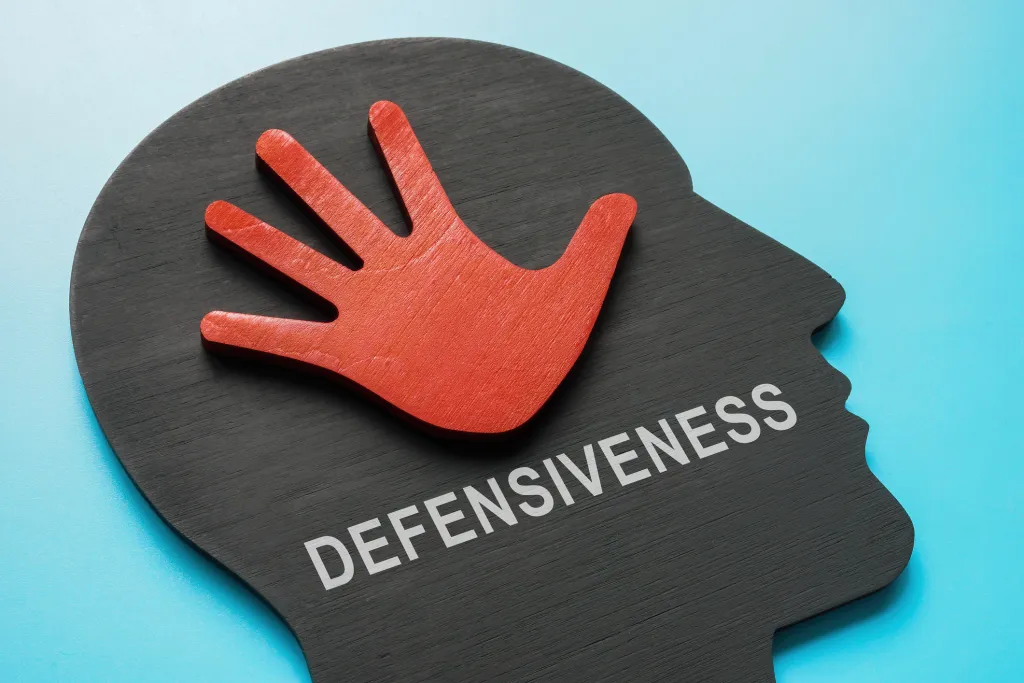
Here’s something many people running community engagement for NSW public agencies already know but rarely say out loud: too often, the system protects itself, and the community pays the price.
Walk into many consultations run by officials and other public-sector agencies, and the pattern is familiar. Lanyards. Laminated boards. A feedback form with four pre-approved questions. Staff who cannot answer anything without checking upstairs. And a room full of community members who arrived in good faith and leave, once again, feeling like props in someone else’s process.
This piece is intentionally blunt. It acknowledges why agencies become defensive — and why that is not irrational — before explaining how that defensiveness corrodes the very trust agencies say they want to build. It also sets out what actually works because, in NSW community work, we have seen both ends of this up close.
Why Agencies Get Defensive — And Why That’s Worth Understanding
Let’s be fair before we’re fierce. Institutional defensiveness doesn’t come from nowhere. The officials sitting across the table from communities aren’t usually bad people. They’re operating inside systems that make openness genuinely risky.
The fear of getting it wrong — publicly
One miscommunication becomes a media story. One unguarded comment becomes a complaint to a minister’s office. One community member with a recording can end a career. When every interaction carries that weight, pulling back feels rational. Stick to the script. Don’t commit to anything. Let the process absorb the pressure.
That’s not malice. That’s self-preservation inside a system that punishes mistakes far more than it rewards honesty.
Compliance, approvals, and the twelve-person sign-off
Add the structural layers: legal clearances, probity requirements, ministerial sensitivities, procurement rules, Comms approval, Executive approval, maybe another round of legal. By the time a response to a community concern is approved, three weeks have passed, and the moment is long gone.
These pressures are real. The planner who can’t confirm anything until the Director signs off. The DCJ Homes worker who wants to answer a resident’s question but has been told not to speculate. The NSW Police liaison reading from a laminated fact sheet because anything else requires sign-off. They didn’t design this system. They’re caught in it, too.
Spare a thought for the people in the room.
The frontline engagement officer is absorbing community anger about decisions they had no part in making. The comms coordinator measured on outputs — newsletters sent, sessions held, tick, done — not on whether anyone actually felt heard. The project manager is stuck between a community that wants answers and an executive team that wants control.
So what? Understanding why defensive engagement happens matters — because empathy for the people inside the system is not the same as accepting the outcomes it produces. And the outcomes are damaging.
Why Defensive, Top-Down Engagement Doesn’t Work
Here’s where fairness ends and honesty takes over. A defensive, heavily managed, process-led approach to community engagement doesn’t just underperform. Too often, it undermines the very trust it’s supposed to build.
It’s a wall dressed up as a welcome mat.
When every interaction is pre-scripted, approved, and tightly managed, communities sense it within minutes. They have seen it before — the practised neutrality, the non-answers, the “we’ll take that on notice” that never gets followed up. The polished slide deck is not a bridge. It signals that the real decisions may already have been made before anyone walked into the room.
You cannot build trust through a process that is fundamentally designed to limit exposure. People aren’t that easy to fool.
It confuses activity with accountability.
NSW public agencies are excellent at counting things. Consultation sessions held: twelve. Submissions received: 204. Newsletters distributed: 3,000. What rarely gets counted: how many people left feeling genuinely heard? How many concerns actually shaped a decision? How much changed because someone spoke up?
This is performative engagement at its worst — the bureaucratic appearance of listening without enough of the substance. Communities in Western Sydney, in social housing, in areas policed heavily, and in places undergoing rapid planning changes have seen it often enough to recognise it immediately.
It’s always too slow, and slowness is a message.
By the time a community concern travels up the chain, gets assessed, gets approved for response, and comes back down, the community has often already drawn its conclusions. Delay is not neutral. It tells people: your urgency is not our urgency. Your concern is a risk to manage, not a problem to solve.
In community work, timing is trust. Respond late, respond vaguely, or don’t respond at all — and you’ve told the community everything they need to know about where they sit in your priorities.
Defensiveness confirms what communities already fear.
When every hard question is met with hedging, deflection, or a referral to the FAQ, agencies can end up confirming the community’s worst suspicions: that they are hiding something, that they do not care, and that we were right not to trust them.
Defensive institutions don’t shield themselves from scrutiny for long. More often, they deepen it.
So what? A strategy built to manage risk ends up generating the biggest risk of all: communities who’ve stopped believing, stopped engaging, and started organising against you instead.
Denial of On-the-Ground Reality Is Its Own Form of Disrespect
One of the most corrosive habits in public engagement is not open hostility. It is denial. Communities describe what is happening on the ground — unsafe buildings, aggressive policing, service gaps, rising fear, decisions already made before consultation begins — and instead of engaging with that reality, agencies often reach for a safer substitute.
Sometimes that substitute is data stripped of context. Sometimes it is a communications line about the process. Sometimes it is a pivot to future strategy, further consultation, or a working group that moves the conversation away from the issue people came to raise. None of that feels neutral in the room. It feels like being told that lived experience is inconvenient.
Distraction is not the same as response. Reframing, deflecting, or retreating into policy language may reduce institutional discomfort for a moment, but communities recognise it immediately. When people say, ” This is what is happening here, and the answer is a polished sidestep; trust does not merely stall. It drops.
The agencies that build credibility are not always the ones with the perfect answer. They are the ones willing to say, “Yes, we are hearing this.” Yes, that is serious. Yes, this is what we can confirm, what we cannot yet confirm, and what we will do next. Reality acknowledged is where trust begins.
What Actually Builds Trust in NSW Community Work
Trust is not a deliverable. You can’t put it in a project plan, procure it through a tender, or sign it off at an exec meeting. But you can earn it — and across every community context we’ve worked in, the path to earning it looks remarkably consistent. In our work with organisations trying to rebuild credibility with communities, these are the practices that consistently make the difference.
Show up — and keep showing up.
Not a one-off information session followed by six months of silence. Consistent, visible, local presence. The familiar face at the community centre. The person who knows the history, remembers the names, and understands the things that don’t make it into the briefing notes.
Trust is built through repetition, not events. If communities only see you when you need something from them, they’ll clock that immediately.
Listen before you message — genuinely listen.
Too many engagement strategies start with “What do we need to communicate?” The ones that actually work start with: what do we need to understand?
Listening before messaging is not soft. It’s the most strategically sound thing an agency can do — because when people feel heard, defensiveness on both sides drops, and real conversation becomes possible. Most agencies skip this step entirely. It shows.
Share ownership — don’t perform consultation.
There is a profound difference between consulting a community and partnering with one. Shared ownership means giving people genuine influence over decisions, not presenting a predetermined outcome and asking for feedback on the font size.
Residents in social housing know whether DCJ Homes is actually listening or running out the clock. People affected by local planning decisions know whether the City of Sydney planner is genuinely open or just completing the engagement box. The illusion of input is more insulting than no input at all.
Tell the truth — especially the hard parts.
Trust grows fastest when agencies say uncomfortable things. We can’t do that, and here’s why. We got this wrong, and here’s what we’re doing about it. We don’t have an answer yet, but we’ll come back to you by Thursday.
Transparency about constraints, trade-offs, and failures earns more trust than a polished narrative that everyone in the room knows is incomplete. NSW communities have excellent radar for spin.
Respond as if it matters — because it does
Responsiveness is trust made visible. When someone raises a concern and gets a real, human, timely answer, they feel like they count. When they’re met with silence, a holding statement, or a referral to a hotline, they conclude — accurately — that they don’t.
This is one of the cheapest trust-builders available, and one of the most underused.
Own it when you fall short.
Accountability means following through on commitments and reporting back on what changed because of what people said, naming what you got wrong without spinning it into a lesson learned. Communities don’t expect perfection. They expect honesty — and they are extraordinarily good at telling the difference.
Stay in the relationship after the project closes.
This is the one that separates genuine community work from box-ticking. The project ends. The tender period closes. The consultation phase wraps up. And the agency disappears.
Communities remember who stayed and who left. They remember the housing worker who kept checking in—the planner who came back with the final decision and explained it in person. The police liaison showed up at the community barbecue without an agenda. Relationships that outlast the project cycle are rare — and they are worth everything.
So what? Every single one of these is a choice to put people ahead of protection. That is the whole game.
Frequently Asked Questions
Don’t agencies have legitimate reasons to be careful about what they say?
Yes. Governance, legal obligations, and accountability to the public purse are real. The problem isn’t being careful — it’s letting caution become a substitute for communication. Careful and honest are not the same thing, but they’re not opposites either.
Isn’t it unfair to criticise frontline workers who are just following their organisation’s rules?
Absolutely — which is why this critique is aimed at systems and leadership, not individuals. Frontline workers often want to engage authentically. They need leadership that gives them permission and structures that reward it.
What’s the first move for an agency stuck in this defensive mode?
Have one unscripted conversation with a community member where your only job is to listen — no messaging, no talking points, no outcome to manage. See what you learn. Then do it again.
This sounds like it takes more time. Does it?
Building trust takes more time upfront. It saves enormous time later — by preventing entrenched opposition, political escalation, media scrutiny, and community breakdown that defensive, closed-off agencies almost always face.
Can a large public-sector agency genuinely work this way?
Yes — when senior leaders give frontline staff genuine permission to be human, to respond without twelve approvals, and to build relationships that aren’t transactional. Culture change starts at the top. It always does.
The Bottom Line: Drop the Shield
Villains don’t build the defensive model. It’s built by good people inside systems that punish openness and reward control. We’ve worked alongside those people. We understand the pressure they’re under.
But pressure is not an excuse for outcomes. And the outcomes of defensive, managed, performative engagement are visible across NSW: communities are stopping attendance at consultations. Residents who meet a co-design announcement with scepticism rather than hope. Neighbourhoods where Police Community Liaison events draw almost no one. Planning consultations where submissions arrive as form letters because people no longer believe individual voices will matter.
That’s the real cost. Not a bad media cycle. Not a difficult meeting. The slow erosion of legitimacy.
The alternative takes courage, not complexity. Show up and keep showing up. Listen before you speak. Give people real influence. Tell the truth — including the hard parts. Respond as it matters. Own your failures. And stay in the relationship long after the project is filed away.
That’s how trust is built — not through a managed process, not behind a laminated board, but in real relationships with real people over real time.
If you’re working in or alongside NSW public agencies and you’re ready to do it differently, start this week. One unscripted conversation. No talking points. Just listen. The communities you serve have been waiting far too long to be treated like they matter. It’s time to show up as they do. And if you’re trying to shift out of defensive engagement in a real and practical way, that’s work we know well.



Leave a Reply