
Lessons from Visionaries: Ignite the Future, Don’t Repeat the Past
Here we are—100 years on from the founding of the International Federation of Settlements and Neighbourhood Houses (IFS), in a world that still craves the radical, gutsy hope that visionaries like these brought to the table. For a century, IFS has carried that torch—sometimes in storms, sometimes in sunshine—linking neighbourhoods across borders, languages, cultures, and generations. But let’s get real: to honour that legacy, we need to be fierce, honest, and forward leaning. Reflection is pointless unless it lights a fire for what comes next.
This isn’t a safe, polite tribute. We’re digging into the messy stuff—lifting the lessons that need to be tattooed on our souls and setting fire to the old, tired ideas that weigh us down. Our world is staggering through climate shocks, inequality, synthetic “community,” and leadership that too often plays it safe. We don’t have time to revere outdated ideas simply because they appear well-documented in a history book.
What the Pioneers Got Right—And Why It Still Sets Us Ablaze
-
Community Isn’t Optional—It’s Everything
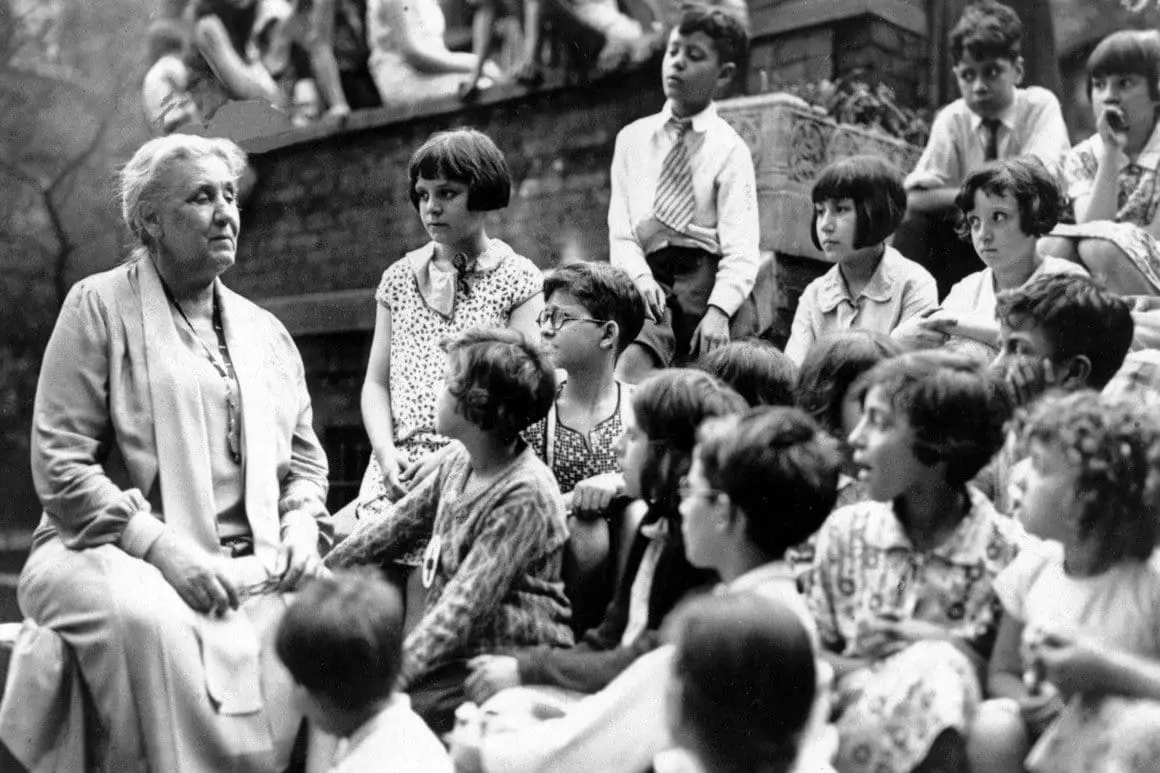
Jane Addams did more than open Hull House to immigrants and workers; she asked them, “What do you dream of building here?” She ripped up the script of charity and planted seeds of power—in kitchens, on picket lines, in the overlooked spaces where bureaucracy failed. Samuel Barnett launched Toynbee Hall, drawing the privileged out of their comfort zones and into the gritty realities of everyday life.
This is the core. If the people you serve don’t have real power, then you’re not in the community game—you’re running a sideshow. For 100 years, IFS members have proven that ground-up change still works, but “community engagement” as a buzzword? That’s dead wood. We need more dirt under our nails, more real talk at the table, and less hiding behind policy.
-
Education—Not a Badge, But a Weapon Against Gatekeeping
Let’s talk about education snobbery. It’s 2025, but try finding work—or even a seat at the table—without specific credentials stamped on your résumé. Elitist hiring practices and academic gatekeeping shut out brilliant people who didn’t take the “right” path or afford the most prestigious diploma. Addams and Barnett? They smashed open doors, insisting that learning should empower, not exclude. Their legacy spells it out: education is power, not a status symbol.
As we celebrate 100 years of IFS, it’s long past time to break down the old hierarchy. Ditch the diploma snobbery. Tear down digital and social barriers. Let’s build spaces where curiosity and grit matter more than glossy certificates—where anyone with the drive to learn gets a real shot, not a pat on the head. Addams and Barnett went way beyond basic lessons; their classrooms sparked debate, vision, and agency. They opened doors and refused to let anyone’s future be scribbled out by circumstance. Hull House and Toynbee Hall proved that learning was power—plain and simple.
Here’s the fire: In 2025, “education” is bigger than ever, and so are the barriers. As we mark 100 years of IFS, let’s tear down what’s left of the digital divide, eliminate elitist gatekeeping, and build bridges for anyone eager to learn. We’re not out here for token handouts—we’re making space for real, full participation in the world.
-
Equity, Not Ego
Barnett and Addams fought for social equity, not charity. They gave space to women, newcomers, and workers whom everyone else ignored. Now, neighbourhood houses everywhere have picked up that call: anti-racism, LGBTQ+ rights, climate justice, intersectionality—none of it’s radical anymore, it’s just the bar for entry.
One hundred years of IFS is a dare to go bolder. If your work isn’t tearing apart every last systemic chain, it’s time to step aside.
Where the Trailblazers Fell Short—And How We Learn from the Mess
-
Burn Down the Paternalism
Let’s not sugarcoat the past. For all their grit, Barnett and Addams sometimes acted as if outsiders—people like themselves—held all the answers. Their programs celebrated “enrichment,” but often filtered life through a narrow, Western lens.
We don’t need saviours. We need neighbours who show up and ask, “How can I stand with you, not over you?” After 100 years, IFS houses everywhere demonstrate that genuine partnerships begin with humility and are built on mutual respect.
-
“Deserving Poor”? Bin That Forever
Moralising about poverty and casting blame smothered so much progress. Barnett’s sermons and Addams’ sometimes superior tone did more harm than good. Poverty is about broken systems, not broken people. If your idea of justice involves “fixing” folks, it’s time for a long, hard rethink.
Moving into the next IFS century means calling out systems, shattering stigma, and fighting for reparations, policy change, and real economic justice. The dignity revolution isn’t finished—it’s just getting started.
-
Leadership is Not a Closed Club
Barnett and Addams thought leadership meant handing down wisdom from above. Too many voices never got a mic or a seat. Today, IFS houses are flipping the script, elevating youth, elders, refugees—anyone whose truth needs centre stage. That’s how we smash stodgy old hierarchies and set a place for everyone at the table.
Stoking the Flame for the Next 100
Celebrating the IFS centenary isn’t about patting ourselves on the back. It’s about cranking up the volume—turning passive reflection into raw, actionable energy.
- Partner don’t patronise. Drop the saviour complex—be in it together.
- Fight systems, not symptoms. Stop patching holes and fix the broken pipes.
- Make space, cede power. Don’t just invite the marginalised in—let them build the house.
Final Rallying Cry
Samuel Barnett and Jane Addams broke ground. However, perhaps their most significant legacy is reminding us not to become complacent. After 100 years of the International Federation of Settlements and a million lived lessons, the future demands more ferocity, more humility, and more room for voices that have been shut out for far too long.
This legacy isn’t a museum. It’s a bonfire. Grab a match—and let’s make sure the next century of community, equity, and radical connection burns even brighter than the last.
Are you in? Let’s build and rebuild—together, again and again.


Leave a Reply