
If you only watched the nightly news, you might think Australian communities are falling apart. Headlines are often dominated by conflict, division, and outrage. But turn off the TV and walk into a local community hall, a sports club, or a neighbourhood garden, and you will see a very different story.
Across the country, social cohesion isn’t just a buzzword—it’s being built, brick by brick, by passionate people, dynamic community centres, and non-governmental organisations (NGOs). These groups aren’t waiting for permission or policy changes. They roll up their sleeves and engage in the meaningful, sometimes messy, but always inspiring work of bringing people together.
From regional towns to inner-city suburbs, examples of real success are everywhere. These aren’t just feel-good anecdotes; they prove that connection is possible even in divided times. Here’s what it looks like in action—and what we can learn from those leading the way.
The Power of the ‘Fiery’ Grassroots
When we talk about social cohesion, we might imagine polite tea parties. In reality, lasting change usually comes from “fiery” energy—groups with drive, creativity, and a refusal to accept the status quo.
These organisations know that cohesion isn’t about ignoring problems; it’s about facing them together. They channel frustrations into collective action, turning flashpoints of conflict into opportunities for collaboration.
Success Story 1: Community Sheds and Collective Action
The Challenge: Social isolation, mental health struggles, and a lack of purpose—especially among those retired or living alone—in regional and suburban Australia.
The Action: What started as the Men’s Shed movement has grown into a welcoming network of Community Sheds, open to people of all genders, ages, and backgrounds. These community-led spaces are more than workbenches and toolboxes; they are local hubs where neighbours coordinate efforts, share skills, and foster deep connections. Community centres often provide vital leadership—organising activities, coordinating volunteers, and making sure everyone feels welcome. Together, members tackle all sorts of projects, from furniture repairs and wildlife boxes to public gardens and safety initiatives, uniting diverse groups with a shared sense of purpose.
The Outcome: Today, community sheds and centres across Australia offer sanctuary from loneliness and vital support for mental wellbeing. The programs empower volunteers, strengthen local leadership, and demonstrate how community centres can model truly inclusive, collaborative action—building strong, resilient neighbourhoods.
The Lesson: Empower collective participation and local leadership. By lowering barriers and actively including everyone, community centres and sheds become places where relationships flourish, skills are shared, and resilience grows.
Success Story 2: Indigenous Ranger Programs
The Challenge: Disconnection from Country, limited employment opportunities in remote communities, and critical needs for environmental stewardship.
The Action: Indigenous Ranger programs blend traditional knowledge with modern conservation science. Grounded in local culture and authority, these are more than just jobs—they’re sources of pride, respect, and stewardship.
The Outcome: These initiatives inspire whole communities: they offer role models for young people, foster pride in heritage, and help transfer knowledge from generation to generation. They also create bridges between Indigenous and non-Indigenous groups, working together to care for the land.
The Lesson: Respect and elevate local wisdom. Real cohesion appears when everyone’s heritage and expertise are recognised. When people feel valued, engagement and collaboration naturally grow.
Success Story 3: ‘Welcoming Australia’ and Local Sport
The Challenge: New migrants and refugees often experience social isolation, language barriers, and prejudice in unfamiliar communities.
The Action: Organisations like ‘Welcoming Australia’ and sports clubs harness the nation’s love of games for social good. Initiatives like the “Welcome to the Game” soccer match or multicultural cricket days strip away labels—in these spaces, participants are teammates first, building bonds through shared activity.
The Outcome: These events are often the first point of meaningful contact for new arrivals and long-term residents. The universal language of sport tears down suspicion and builds up support. In many local footy clubs, especially in regional Victoria, these efforts have turned uncertainty into genuine community integration.
The Lesson: Find common ground. When differences feel daunting, focus on universal joys—sport, music, and food. These experiences lay the groundwork for understanding, opening doors to deeper connection.
Success Story 4: Youth Grassroots – 17x16CDP
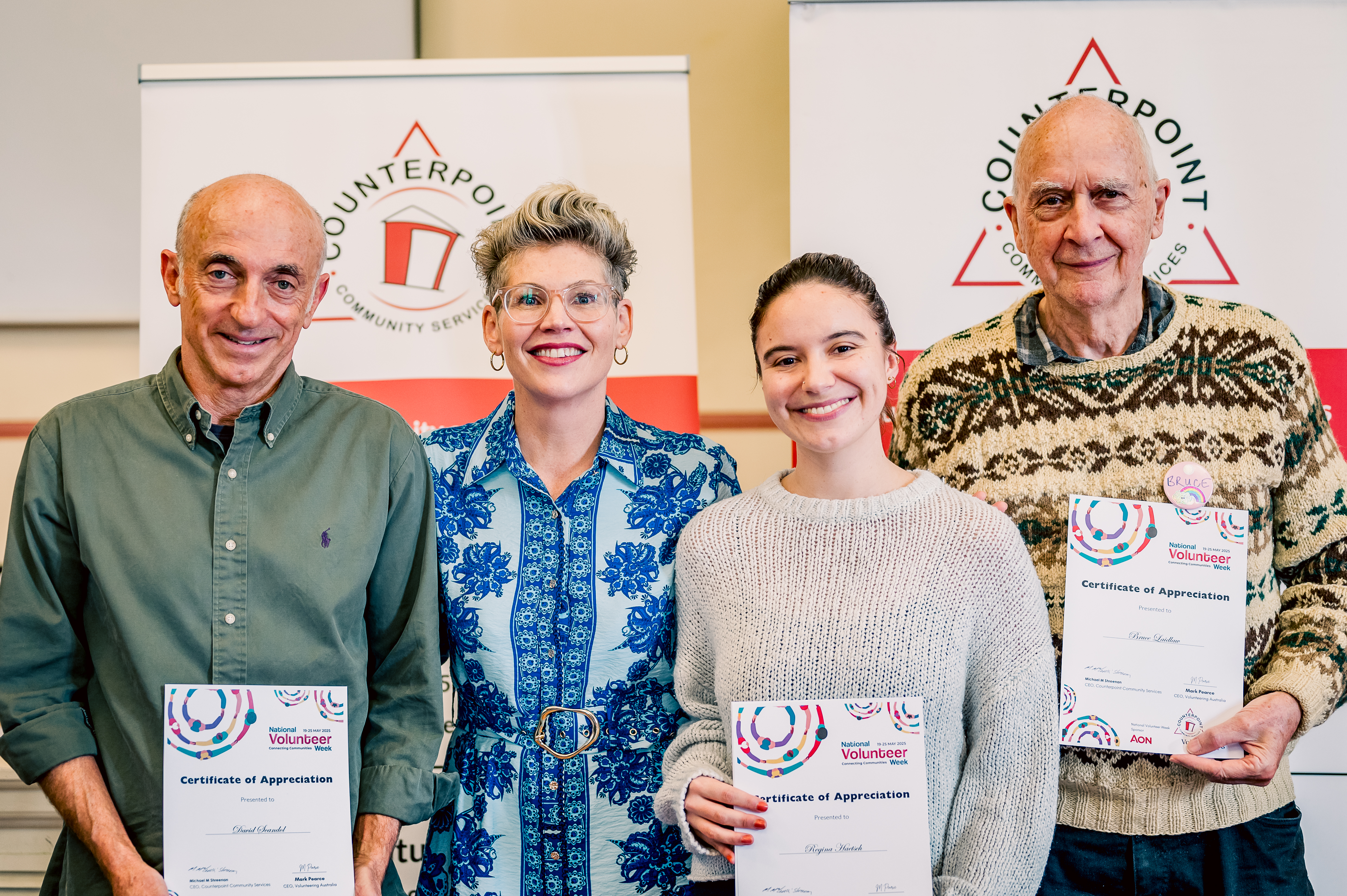
The 19th Counterpoint Community Services Volunteer Awards, a vibrant celebration of local power and community spirit, highlighted the strength of grassroots leadership. Among the 100 outstanding stories recognised was 17x16CDP, a testament to what local young people can achieve when they unite.
The Challenge: Young people in Waterloo and Redfern, especially Aboriginal youth, often face limited safe spaces for connection, purpose, fitness, and cultural pride.
The Action: Out of local passion, 17x16CDP was born—a 100% youth-led group named after the area’s postcodes (2017 and 2016) and inspired by the acronym CDP (chin-ups, dips, push-ups). Launching in February 2025 with only 18 participants and minimal equipment, this grassroots collective rapidly grew through word of mouth and peer support. Now, over 100 youth gather each week for group workouts, healthy competition, and cultural exchange.
The Outcome: More than just fitness, 17x16CDP has become a powerful source of belonging and community empowerment for young people. It thrives entirely on volunteer energy and community donations, building confidence, strong friendships, and positive leadership among its participants. Their collaborative model is proof that when youth are trusted to lead, the ripple effects reach across families and neighbourhoods—creating pride, resilience, and hope.
The Lesson: Champion youth-led grassroots innovation. When young people are given space to lead, supported by community, and backed by collective effort, their impact multiplies. Their spirit invigorates whole neighbourhoods—proving that positive change often starts with a simple idea and the courage to act.
Success Story 5: Tribal Warrior – Building Bridges Through Cultural Cruises
The Challenge: A lack of mutual understanding and meaningful interaction between Aboriginal communities and broader Australian society, often fueled by cultural disconnect and stereotypes.
The Action: Tribal Warrior, a Sydney-based Aboriginal community organisation, launched Cultural Cruises on Sydney Harbour to unite people through shared experiences. On board their Aboriginal-owned vessels, participants engage with cultural storytelling, witness traditional ceremonies like the live Smoking Ceremony, and learn directly from community members about deep connections to Country. These journeys foster dialogue, reflection, and genuine learning in an inclusive, welcoming setting.
The Outcome: Thousands of people have participated, gaining a richer appreciation of Aboriginal cultures and the complex history of these lands. The Cultural Cruises break down barriers, spark important community conversations, and provide vital opportunities for Aboriginal guides and youth to develop as leaders and cultural ambassadors.
The Lesson: Create spaces for cultural exchange. Barriers fall, and bridges are built when people learn together in respectful, authentic ways. Lasting social cohesion grows from experiences that honour heritage, spark curiosity, and invite everyone to play a part in the community’s story.
Success Story 6: Peer Educators – Empowering Communities Through Health Education
The Challenge: Social housing residents in Waterloo faced significant health inequities, limited access to health education, and barriers to community engagement.
The Action: The Peer Educators program, launched in 2022 by Sydney Local Health District in partnership with Counterpoint Community Services, trained 21 social housing residents as Peer Educators. These individuals delivered workshops on 18 health-related topics, including mental health, nutrition, domestic violence, and more, reaching over 630 community members. The program emphasised peer-led design and facilitation, ensuring relevance and engagement.
The Outcome: The initiative not only improved health literacy but also fostered community involvement and volunteerism. Some Peer Educators even secured employment or pursued further education. The program’s success demonstrates the power of peer-led approaches to reduce health inequities and build stronger, more informed communities.
The Lesson: Leverage peer-led education for lasting impact. When community members take the lead in addressing local challenges, the results are transformative—fostering trust, empowerment, and sustainable change.
What We Can Learn from These Successes
These stories reveal clear patterns at the heart of real-world social cohesion:
1. Action Over Rhetoric
Don’t just talk about unity—do things together. Whether it’s planting trees, hosting community workouts, or coming together in local sheds and sports teams, collaborative action builds lasting bonds.
2. Consistency Creates Trust
Trust grows over time. Programs that offer regular activities—rain or shine—earn deep community buy-in. One-off events can inspire, but it’s a steady presence and open doors that nurture real connection.
3. Local Leadership is Key
Change takes root when led by people with a real stake in the outcome—local champions, youth leaders, elders, and small business owners. They know their communities best and inspire others to join in.
4. Embrace the Uncomfortable
Strong groups don’t shy away from hard conversations or past hurts. They provide a respectful space to work through challenges together—knowing that friction can polish even the roughest stone.
The Path Forward
Social cohesion in Australia is alive: in sheds at the end of the street, on sporting fields, in vibrant youth collectives, and among the many voices leading community efforts. The takeaway is simple—don’t wait for distant decision-makers. Look for the sparks close to home: join a group, support a youth leader, or start something new with a neighbour.
We have the blueprint. We have living examples of what’s possible. All we need is the courage and creativity to follow their lead—together.




Leave a Reply