
In a society where you are encouraged to tick boxes, every system appears to be built around garbage in garbage out model, and Government funders want you to hammer Square peg’s into a round hole working in the community sector is not for the faint-hearted.
No matter the level or the ‘technical’ aspects to the job description of the role you are considering you can’t bet your bottom dollar you be expected with limited resources to be able to pull miracles out your ass and be all things to all people!
What is worse those said people are unlikely to be I position to be thankful, and unlikely to notice what you do for them until you stop doing it, and when they do see it are more likely to give you caustic feedback that leaves your blood boiling in the name of being constructive and well-intended.
You will need the patience of a saint, The courage of one’s convictions, The leadership of Martin Luther King, Empathy of Mother Theresa, Administrative ability of Professor Dolores Umbridge, The passion of Gordon Ramsey, The magic of Mary Poppins, The charisma of Barack Obama, The eloquence of Nicola Sturgeon, The wisdom of Nelson Mandela, The education of Stephen Hawking.
For which you will be rewarded with low wage, job insecurity, little room for progression, sleepless nights, daily ethical dilemmas, constant exposure to traumas and a continuous need to justify your existence to multiple people who think they have a say over your role, position or organisation.
Now the above might sound cynical, but I prefer to call it realistic. Working in the community sector is hard yakka! If you’re considering it to be the hero and to win awards and feel better about yourself, and if you think it will be easy, I suggest you re-think now before it’s too late.
Sure, there is aha moments, a sudden breakthrough, where the impact of your work is clear as mud, visible for all to see. The shy clients become famous political movers and shakers, the community finds its voice, The long term unemployed obtain a job and earn more than you, the substance misuser break years of addiction, and Government changes its unjust policy and practice because of your advocacy.
However, the wins are far, and few between, progress is slow and frustrating, and most of the gains are small, and more of a slow ripple effect which sometimes takes years to wittiness coming to fruition. However, when it happens, there no better feeling in the world. Blink and you might miss it!
So, what are the key ingredients to bring those wins to life? There are many and its complex, but here are some of the essential ones:
Relationships – is everything in community work, building trust, working within formal and informal settings, working with diverse individuals to groups, political and culturally based groups, bureaucrats, politicians, other community organisations, and professionals within the human service sector. To succeed in the industry, you need to know how relationships work, how you build trust and credibility, how you use those relationships to influence positive change, mobiles conversations into action, and what do when it goes wrong and when to push and when to not.
The hardest one of all?… Learning to be empathetic and caring for people you do not like!
Real – if you are not real, genuine and crediable, you never be a change maker. Being real and authentic involves knowing yourself, being true to yourself, trusting yourself and demonstrating your values by tangible action.
Also, be realistic about what can and cannot be archived, managing your expectations and others will save you much heartache. The Power of positivity can be useful, but it can lead to delusions and frustrations.
Reflective – Confidence should be admirable but only when it needs balanced withremaining humble, continually learning and improving is key to your own growth. Questioning to learn (not asking to beat yourself up ) gives impactful insights into your practice. What did you do and why and for who? Did make a difference? What would you try differently next time? What was unexpected? What assumptions did you make?
“Wisdom does not come from what you know but what you understand about what you know.”
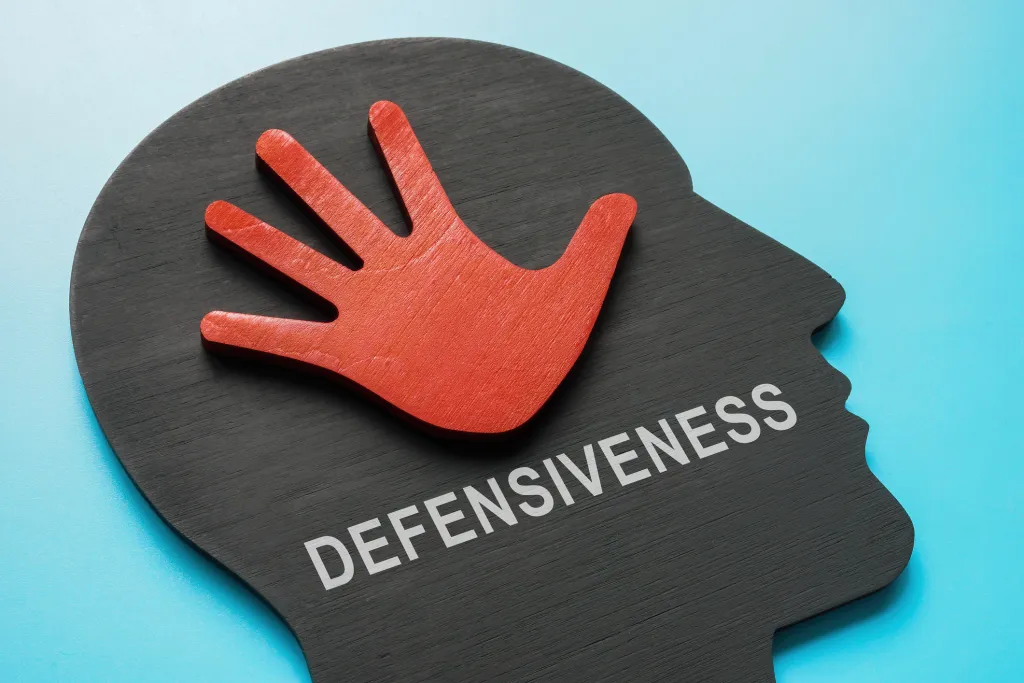
Being open to others feedback, suggestions, to debating the issues through rather than being defensive open’s you world up to a whole new field of opportunities. I told one staff member I would fire them if they didn’t argue with me regularly! Debate and alternative perspectives are helpful!
Responsive – responding rather than reacting is easier said than done but is the golden ticket to staying in control and making wise choices.
Reliability – it takes a lifetime to build trust and seconds to destroy it. Please do what you said you would, being available when it matters, providing consistency and stability in a world full of chaos and instability is sometimes all we need to do.
The chance People you work with have been, let down most of their life don’t add to their list of disappointments.
Role models – Have one and be one and pick them wisely!
Relax – stress management, self-care, proper time management, boundaries and ample recreation are pivotal to your career in the community sector. You can’t help others if you end up with burn out it is DEADLY. Take self-care seriously
Do you work in the sector? What are your essential ingredients? We would love to hear them
Thank you for your insightful comment! It’s true; the results can be a mixed bag. While measuring success is important,…
Great post, I have seen both and all options above some delivered incredible results others not so much… including community…





Leave a Reply