

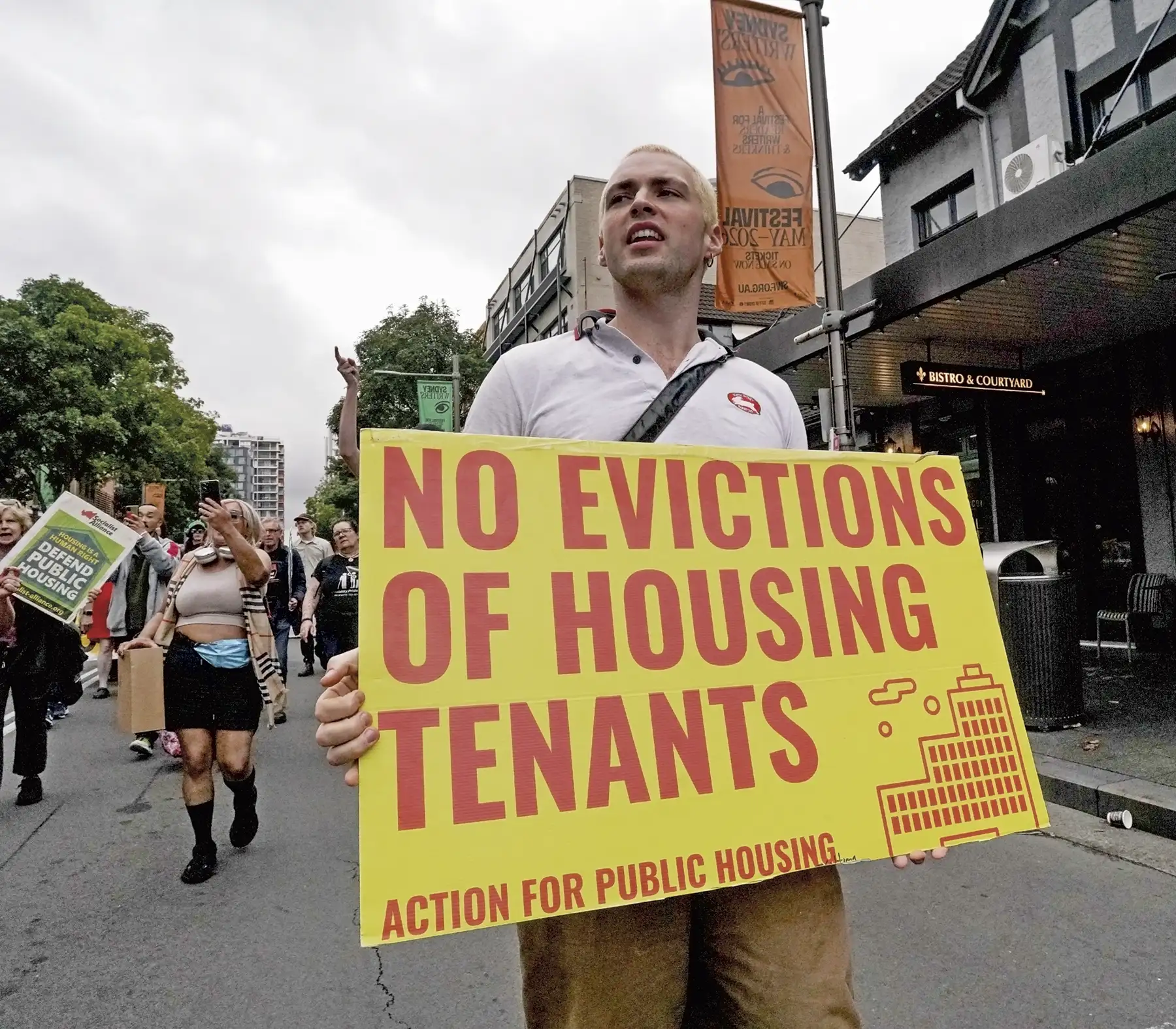
Tenant participation is a critical component of ensuring fair and equitable housing practices. Yet, when landlords or government entities control the resources necessary to facilitate this participation, the integrity of the process can be easily compromised. To truly empower tenants and advocate for their rights, it is crucial that independent providers resource tenant participation and support tenants to keep landlords accountable. Here’s why.
Independence Ensures Fairness
When an independent provider orchestrates tenant advocacy, it ensures that the process is free from landlord or governmental influence. This independence is crucial in maintaining a balanced and fair platform where tenant voices are heard without bias. Where dependence on landlords or the government can skew priorities to align with their interests, independent providers operate solely to serve tenant needs.
Empowerment Through Security
Tenants often hesitate to voice their concerns out of fear of retribution or bias. With independent providers, tenants are more likely to feel secure in expressing their concerns. Knowing that the entity facilitating their participation is not beholden to the landlord or government fosters an environment of trust and openness. This security empowers tenants to advocate for their rights effectively.
Tailored Support and Services
Independent providers are uniquely positioned to offer a broader range of services tailored to tenant needs. Unlike government or landlord-controlled channels, which may offer a one-size-fits-all solution, independent providers can adapt their services to meet tenants’ diverse and evolving needs. This adaptability ensures that tenants receive the most relevant support possible.
Building Community and Solidarity
Encouraging participation through independent channels fosters community and solidarity among tenants. Such a community-driven approach enhances tenant advocacy, leading to more effective problem-solving. By coming together independently, tenants can share experiences, ideas, and solutions, strengthening their collective voice.
HCP Redfern Waterloo
The Housing Community Participation (HCP) program in Redfern Waterloo, Sydney, was established in the 1990s as a community-led initiative to bring together public housing tenants and the local community. It increased tenant participation and involvement in decision-making, improving tenants’ living conditions. However, in 2018, the state government defunded the program, and local-run services were replaced with Tenant Participation and Community Engagement (TPCE), a prominent statewide religious-based NGO.
At first glance, this change may seem like a positive shift towards involving a well-known non-government organisation focused on social welfare. They did their best with limited resources and restricted mandates; however, many tenants and other agency providers were disappointed when they realised their independent platform was no longer locally connected or governed.
We saw a decline in tenant representatives and tenant-led activities and a decrease in positive changes and community development. Community development was reduced to simple social support and information provision, and regional and statewide peer networks practically vanished.
This case highlights the importance of locally driven independent tenant participation and how shifting towards centralisation can negatively impact tenants’ voices and rights.
While details are still thin, Homes NSW recently announced they are taking Tenant participation in-house.
While acknowledging that Housing needs to prioritise Tennat’s participation and urgent reform is required, it is very concerning that this will no longer be delivered through an independent provider.
There is a need for continued impartial advocacy to ensure tenants are heard and involved in decision-making processes both at the individual and collective levels.
Community housing providers follow a similar path, and the cracks in the approach are apparent to any independent observer. Tenant participation should remain independent to ensure fairness, empowerment, tailored support, and community building.
Lessons from Scotland
In Scotland, the Scottish Housing Regulator (SHR) regulates social landlords and ensures tenants are involved in decision-making processes. However, SHR has no direct role in tenant participation and does not provide resources or support for independent tenant participation. This led to concerns about lacking tenant representation in certain areas.
To address this issue, a Tenant Participation Advisory Service (TPAS) was established as an independent organisation focused on supporting and promoting tenant participation in Scotland. TPAS provides training, resources, and guidance to tenants, their support providers, and landlords on effectively engaging with each other. This model of independent tenant participation has proven successful in elevating tenant voices and promoting fairer housing practices.
For tenant participation to be significant and impactful, I support it being resourced in-house only if it is complemented by well-resourced independent solid providers such as locally embedded and trusted community centres.
Why community centres?
I know I am prejudiced, but it’s well-established that Community centres are best placed to provide independent tenant participation services for several reasons. Firstly, they are trusted and familiar community spaces that can help foster a sense of belonging and community among tenants. This trust can encourage more open and honest communication, leading to more effective advocacy.
Secondly, community centres often have relationships with local service providers and government agencies. This allows them to access resources and support necessary for successful tenant participation initiatives. These connections also provide opportunities for collaboration and joint problem-solving between different stakeholders, the development of the local community, and well-coordinated human service plans.
Thirdly, community centres are well-equipped to tailor their services to meet the diverse needs of tenants. They understand the unique challenges faced by their communities and can adapt accordingly.
They would ensure a fair, secure, empowering process, prioritising tenant needs and fostering a strong community spirit. By advocating for this model, NSW policymakers, community advocates, Homes NSW, and public housing stakeholders can drive more effective and equitable housing solutions.
Government housing workers should not be imitating community workers for whom they or their managers are not qualified. This is a unique community development and NGO role.
It is crucial to recognise the difference between government housing workers and community development workers. While government housing workers have an essential role in ensuring the efficient management of public Housing and tenant participation, community development workers play a vital role in impartial coordination, empowering tenants, and promoting their rights.
Community development workers are trained professionals who work with communities to identify their needs and facilitate solutions through collective action. They have specific community organising, capacity building, networking, and advocacy skills. These skills are vital for effective tenant participation as they can support tenants in navigating complex systems and advocating for their rights.
Join us in advocating for a new era of tenant empowerment in NSW! Let’s collaborate with community experts, build strong networks, and create lasting change. Together, we can transform public and community housing for a brighter future. Get involved today and make your voice heard!
Homes NSW stands at a critical juncture where it can redefine tenant participation in public and community housing across the state. They can genuinely empower tenants by harnessing the community organising skills of local community centres, focusing on capacity building, and fostering robust networks and advocacy efforts. Learning from past missteps and drawing inspiration from successful international models will be essential. It is imperative that Homes NSW acknowledges the limits of internal expertise and invests in external collaborations to ensure a holistic and sustainable approach. Failure to do so may result in missed opportunities for meaningful change and genuine tenant empowerment.




Leave a Reply