
Reclaiming Place-Making in Australia from Commercialisation
Place-making isn’t just a buzzword; it’s about people, connection, and communities shaping spaces that reflect their spirit and needs. However, in Australia, this once-authentic practice has increasingly morphed into a commercial playground dominated by consultants and profit-driven agendas. The heart and soul of genuine place-making are being sold off, but it doesn’t have to stay that way.
The Rise of Commercialised Place-Making
Over recent decades, the authentic roots of place-making have been overshadowed by consultant-created projects. Armed with jargon and profit motives, these “experts” roll out plans that prioritise superficial aesthetics over people’s lived experiences.
The result? Sterile, retail-centric spaces that may look perfect on paper but fail to address the deep, intangible needs of the communities they aim to serve. It’s a troubling shift. Spaces meant to foster connection and identity are increasingly repurposed for revenue generation and political spin.
The true essence of place-making—rooted in equity, inclusion, community leadership and grassroots collaboration is being eroded by rebranded, ill-thought-through frameworks and superficial one-day training sessions that barely skim the surface.
Housing workers from both government and non-government sectors are increasingly entering the realm of place-making, often framing their involvement as a solution to complex community needs. While their intentions may be well-meaning, their lack of experience, training and community governance risks sidelining the grassroots efforts that have long been at the heart of authentic place-making.
Unlike community centres that draw on lived experience and local knowledge, housing workers often implement top-down strategies that prioritise housing metrics or urban development goals over genuine community connection.
This encroachment can dilute the community-driven essence of place-making, reducing vibrant, organic spaces into projects driven by bureaucratic or institutional priorities.
If this trend continues unchallenged, the voices of local communities could be overshadowed, leaving their real needs and aspirations unmet.
The Historical Role of Community Centres in Australia
For generations, community and neighbourhood centres across Australia and the globe have been the backbone of authentic place-making. These centres are far more than just physical spaces; they are the beating hearts of their communities.
They’ve grown in response to their people’s specific needs, fostering resilience, innovation, and connection.
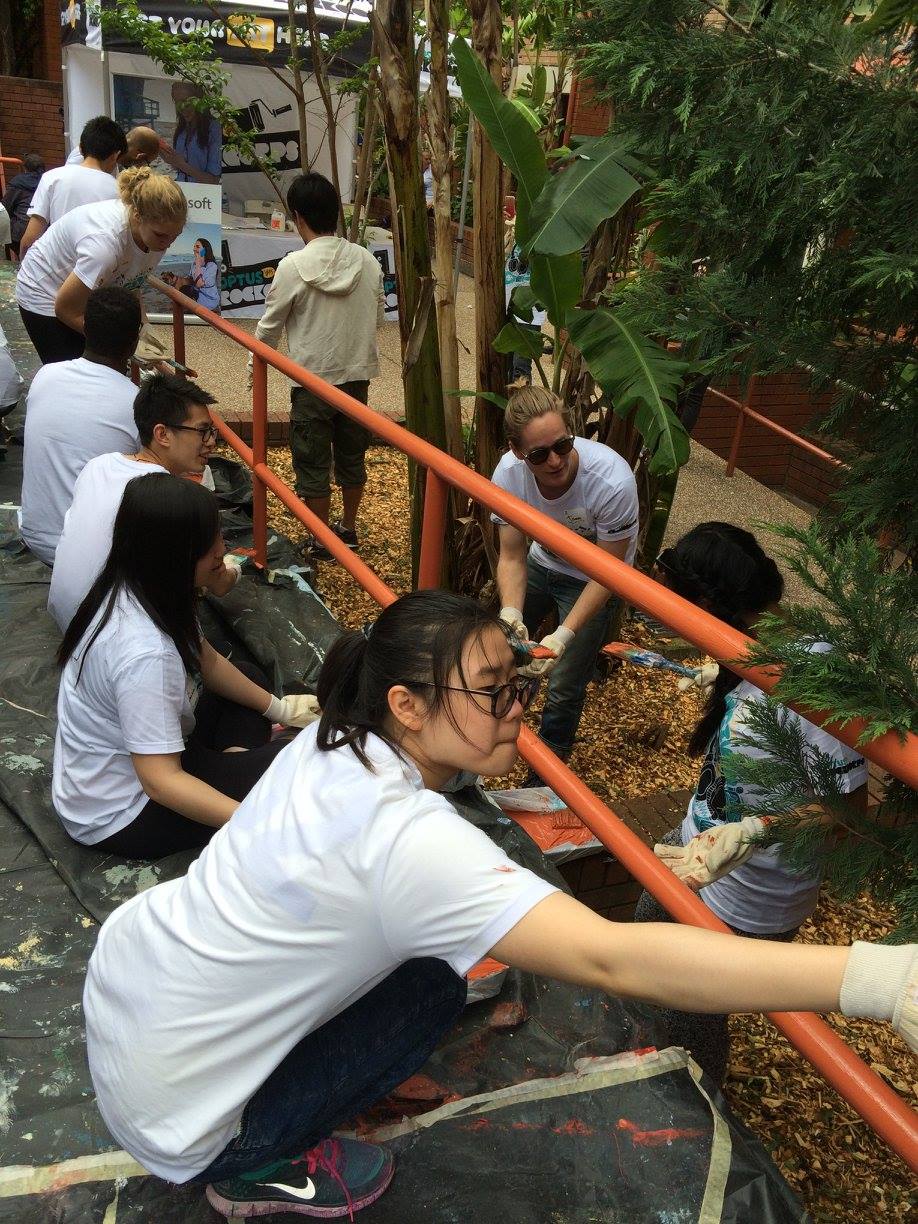
From knitting groups supporting soldiers during wartime to communal gardens feeding families during droughts, these centres have always adapted in profoundly meaningful ways. They embody the principles of place-making in its truest form, addressing real problems with real solutions.
Community centres have historically been the cradle for countless specialised NGOs, including regional peaks, legal centres, and child care services, demonstrating their pivotal role in addressing diverse and evolving community needs.
Their legacy proves that no external consultant can replicate the depth of understanding that grows from within a community.
Counterpoint Community Services and the Power of Grassroots Leadership
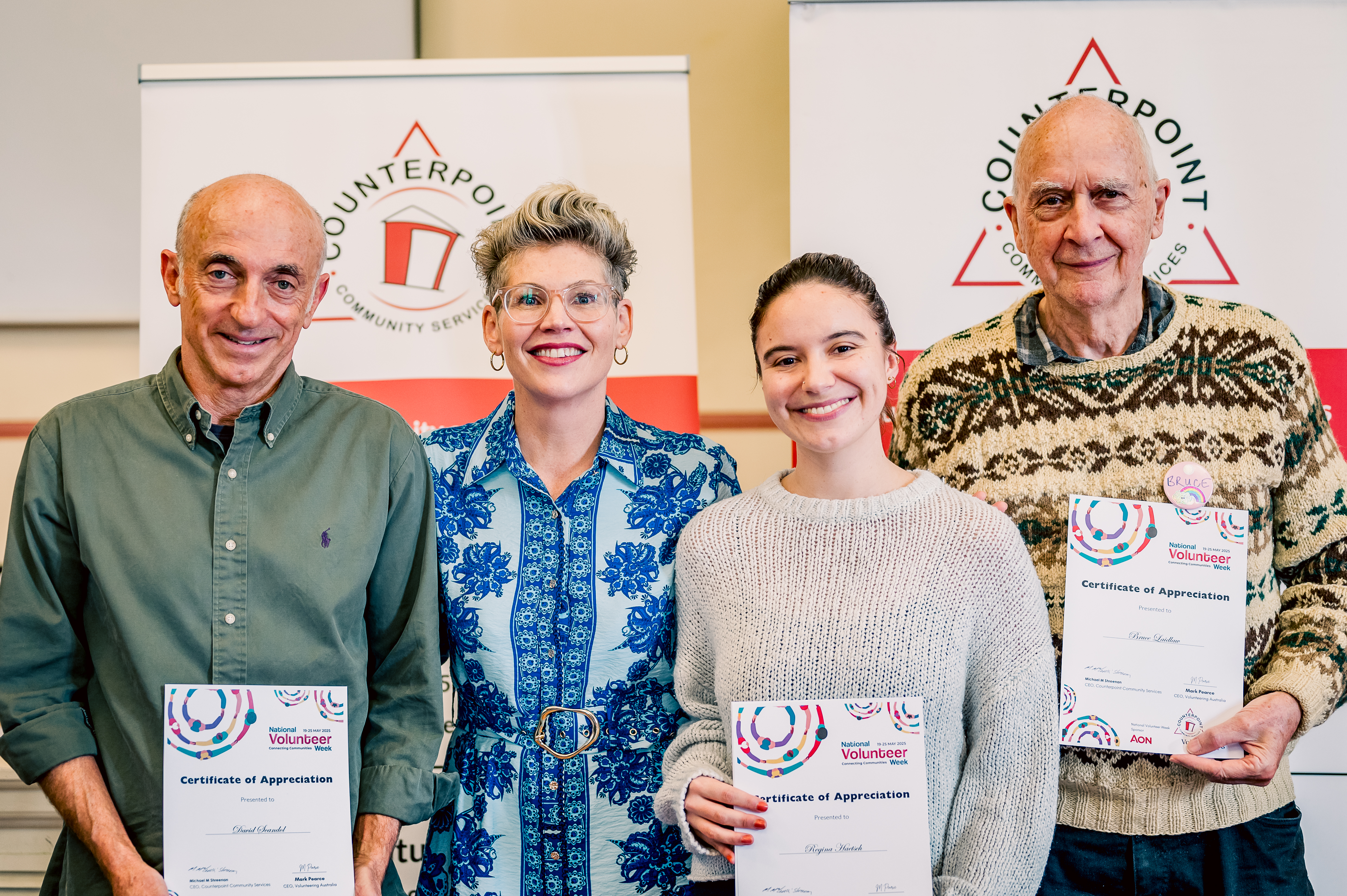
Among these vibrant hubs like ours, Counterpoint Community Services is one of thousands of community and neighbourhood centres across the nation.
Organisations like Counterpoint prioritise people over profit, operating with trust, lived experience, and genuine connection at their core.
These centres don’t rely on elaborate presentations or flashy campaigns. Instead, they focus on problem-solving that arises directly from the communities they serve. Counterpoint’s commitment to preserving community identities, fostering empowerment, and supporting local resilience is a model of what grassroots place-making should be. And it’s a powerful reminder that authentic connection can’t be commodified.
The Consequences of Consultant-Led Place-Making
When consultants and developers take the reins, place-making is stripped of its authenticity. Spaces designed under the commercial lens often fail to create genuine gathering places. Instead of fostering diversity and inclusion, they prioritise retail spaces and polished yet lifeless designs.
The irony is glaring. Place-making, once rooted in equity and grassroots leadership, is now being sold back to communities as a fabricated, consumer-friendly product. The cost? A lack of depth and connection, and an inability to serve the real social and cultural needs of the people who inhabit these spaces.
Grassroots place-making initiatives excel where commercialised approaches often fall short, particularly in preserving cultural identity, fostering economic resilience, supporting environmental sustainability, and avoiding the pitfalls of homogenisation. Unlike cookie-cutter designs churned out by consultants, community-driven efforts honour the unique histories, traditions, and identities of the people they serve, creating spaces that resonate on a deeper level.
These local initiatives also stimulate economic growth by nurturing small businesses and local employment, while often integrating sustainable practices like community gardens and renewable energy solutions.
Meanwhile, the top-down approach of commercial projects with their tokenistic community advisory groups risks erasing cultural distinctions and producing uniform, lifeless spaces that fail to inspire or connect with the people using them.
It’s clear that grassroots efforts aren’t just more inclusive; they’re more effective at building vibrant, meaningful spaces that thrive long-term.
A Call to Reclaim Authentic Place-Making
Australia has a choice to make. Will we allow the ongoing commodification of place-making to continue, sidelining communities for the sake of corporate interests? Or will we return to the roots of this practice, empowering communities to lead, shape, and reclaim ownership of their spaces?
It begins by recognising the vital role of community and neighbourhood centres. From cities to small towns, these hubs are alive with the possibilities of what place-making can truly mean when it isn’t for sale.
Grassroots efforts offer solutions rooted in lived experience and driven by real community needs. That’s the path forward, and it’s proven to work.
What Needs to Happen Next
- Invest in Community-Led Initiatives
Governments and local councils must prioritise resourcing and partnering with grassroots community centres like Counterpoint Community Services. Their work shows that the solutions are already in place, thriving within our communities. - Rethink Policies
Policymakers need to acknowledge the unique role of community centres in fostering connection and inclusion and see them as not just buildings but essential social infrastructure. They must create frameworks that support these efforts, shifting focus away from consultant-driven projects. - Challenge the Status Quo
As residents, we have a responsibility to advocate for these authentic initiatives. We should oppose developments that prioritise profit over people and demand spaces that truly serve the community’s needs and are well-resourced.
Place-making was never meant to be a commodity. It belongs to the people, to the communities who shape and inhabit the spaces they call home.
Australia has a rich heritage of community-driven initiatives, and the thousands of neighbourhood centres across the country are proof of what authentic, grassroots place-making can achieve.
By trusting in the collective power of these communities and rejecting the commercialisation of public spaces, we can restore the heart and soul of place-making. It’s time to reclaim our spaces—not for profit, but for people.
Together, we can ensure that place-making remains an expression of connection, identity, and hope.




Leave a Reply