
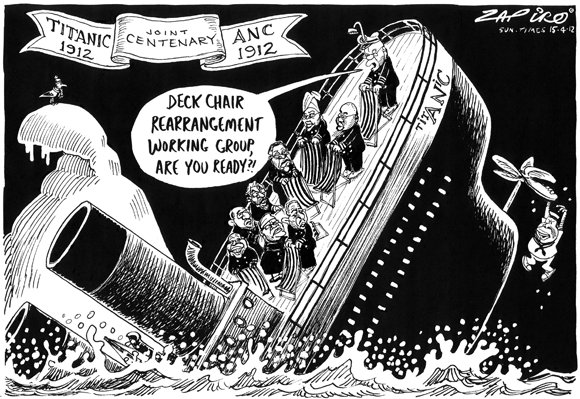
It’s a tale as old as time—or at least as old as modern bureaucracy. Picture this: a government announces a bold new vision to address systemic failures. It promises change, progress, and reform. Months roll by. Budgets are blown. Departments are renamed, rebranded, or absorbed into “streamlined” structures. Personnel are shuffled so often it feels like someone’s playing musical chairs. Yet, for the people these changes are supposed to serve, the outcomes remain eerily the same—a grand facade of activity with little to show. Why does this happen, and more importantly, what can be done about it?
Restructuring in a Vicious Circle
Governments seem obsessed with the constant churn of rebranding and restructuring. New names, new logos, new mission statements—yet the problems remain stubbornly entrenched. Throwing money at consultants, graphic designers, and glossy reports might look good on paper, but how does it improve outcomes? Spoiler alert—it doesn’t.
Rebranding, in theory, signals a fresh start. It’s supposed to galvanise the workforce, signal intent to stakeholders, and jolt the system into action. But in practice, it often amounts to slapping a fresh coat of paint on an old beater. The real issues—outdated systems, a lack of collaboration, arrogance, and under-resourced teams—remain untouched, obscured by the “new car smell” of a shiny logo or slogan.
And, oh, the irony! Government employees, already stretched thin, are often made to bear the brunt of these superficial changes. Imagine being tasked with implementing yet another internal structural “realignment” while struggling to deliver services under the weight of increasing caseloads and dwindling resources. It’s chaos masked as progress.
Moving Staff, Losing Expertise
Then there’s the endless shuffle of personnel. Leaders move from one department to another, sometimes before projects are halfway complete. Subject matter experts are shuffled out and replaced by generalists who lack the essential context to drive meaningful change. It’s a cycle of starting over again—and again—and again. Institutional knowledge is drained, and employees are left asking, “What was the point of that?”
Here’s a wild thought: what if the government focused on cultivating expertise instead of tactically swapping out staff like interchangeable chess pieces? What if workers were empowered to build deep, meaningful knowledge in their roles, equipped with resources rather than constantly uprooted to address what is often managerial—and not organisational—inefficiency?
Failing Constituents Through Distraction
Who is all of this really for? Constituents—ordinary people—are supposed to be the beneficiaries of government action. But it’s hard to see how reshuffling leadership or tweaking department logos translates into quality public housing, affordability, accessible and responsive human services healthcare, safer communities, or reliable public transport. While the system obsesses over the showy spectacle of change, people go unheard, their issues unresolved.
Governments become like overenthusiastic decorators rearranging furniture on a sinking ship. It’s easier to focus on the aesthetics of fixing problems than to confront the significant structural issues that have been ignored or neglected for decades. And yet, isn’t that what bureaucracy is supposed to be for—steady, deliberate progress that serves the greater good?
What’s the Real Fix?
If rebranding, restructuring, and reshuffling aren’t the solution, what is? The answer isn’t glamorous, but it is effective. Here’s where governments can start making real, lasting changes:
- Fix Processes, Not Appearances
Instead of rebranding departments, invest in overhauling outdated processes and systems. Focus on efficiency and clarity—not just how things look but also how they work.
- Cultivate Expertise
Provide professionals with the time and resources to deeply understand their roles and drive success. Reward long-term thinking and discourage personnel turnover.
- Listen to Constituents
Real change comes from listening to the people at the heart of the issue—the employees delivering services, the community centres that see what’s going wrong daily, and the citizens who depend on the services: co-design solutions that address actual needs, not assumptions.
- Build Accountability
Leaders must stay long enough to build relationships trust, and see their initiatives through. This means holding people accountable—not just for flashy announcements but for measurable results.
- Focus on Substance Over PR
Stop throwing money at marketing fixes. New branding doesn’t solve a problem; glossy messaging won’t save a failing system. Invest in things that directly improve lives—hiring more frontline workers, upgrading technology, or expanding services.
A Call for Courageous Leadership
At its core, government exists to serve the people. But too often, it seems more preoccupied with chasing headlines, tinkering with optics, and manufacturing the illusion of progress. This is a disservice to the public and the hard-working, talented employees trying to make a difference despite being hamstrung by endless internal chaos.
It’s time for courageous leadership that prioritises meaningful reform over quick fixes. leadership that understands the value of stability, expertise, and collaboration. leadership that doesn’t shy away from challenging, systemic issues in favour of rearranging deck chairs on a sinking ship.
Yet another rebrand doesn’t fool constituents. They’ll start paying attention when policies start working, systems start flowing, and lives improve. That’s the kind of reinvention we need. Nothing less will do.





Leave a Reply