
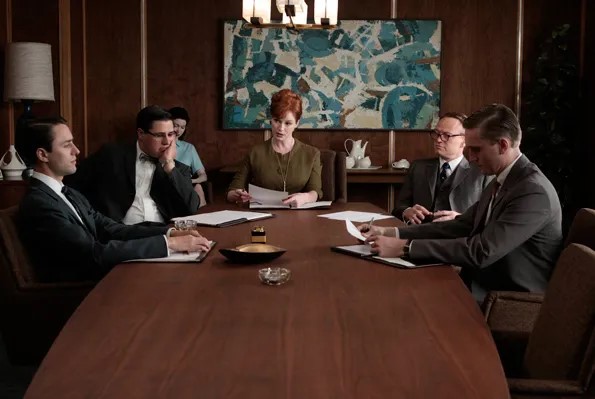
Enough is enough. We need to talk about meetings—those soul-sucking time thieves where productivity dies, and no one seems brave enough to call it what it is: a disaster. You know the ones: no agenda, nonstop rambling, cameras off, silent screens and those that are only there to show face.
It’s time to cut the nonsense. If you care about your team, your goals, or your work-life balance, you’ll stop settling for mediocre meetings. It’s time to tackle these deadly meeting sins head-on and transform the way we come together.
The Top 10 Meeting Sins (and How to Obliterate Them)
1. Agenda Anarchy
No agenda? No meeting. It’s that simple. Wandering from topic to topic without direction wastes everyone’s time and sanity.
The Fix: Get your act together. Make a damn agenda. Share it well in advance, with timings for each point, so there’s no “uh, what’s next?” awkwardness. If someone starts irrelevant prattling, interrupt them. Yes, interrupt! Say, “Can we park that for another time? We need to stick to the agenda.” Control the convo, or the convo will control the meeting.
2. The Talk Hogs
We all know these people. They LOVE the sound of their voice. They hijack the meeting, drown out everyone else, and leave in their wake a crowd of silent eye-rollers.
The Fix: Shut. Them. Down. Call on quieter participants before the hogs have a chance to monopolize the room. Use lines like, “[Name], I’d love to hear your thoughts on this.” Heck, mute their mic on Zoom if you need to. If this habit persists, take them aside and make it clear they’re derailing progress. Yes, it’s awkward. No, it’s non-negotiable.
3. Mission Drift Mayhem
You start discussing strategy, and 10 minutes later, you’re talking about whose cat has the funniest Zoom photobomb pose. Stop—the drift.
The Fix: Begin every meeting with absolute clarity on the purpose and expected outcomes. Writing it on a slide isn’t enough—say it aloud. When mission drift rears its ugly head, hit the brakes and say, “I’m noticing we’re off track. How does this discussion relate to today’s goal?” Refocus, redirect, and repeat as necessary.
4. The No-Follow-Up Fiasco
What’s worse than a bad meeting? One that leaves everyone saying, “Wait, what are we supposed to do now?” If there are no assigned tasks or next steps, it’s not a meeting. It’s a waste.
The Fix: End every meeting with crystal-clear action points. Who’s doing what? By when? Could you write it down? Share it instantly. Without accountability, your great ideas will evaporate before you’ve even closed the Zoom tab.
5. Lack of Preparation
If you’re waltzing into meetings unprepared, you might as well bring a sign that says “Here to Drift.” Half-baked contributions and general confusion kill momentum faster than bad Wi-Fi.
The Fix: Do your homework. Facilitators, prep your agenda, materials, and questions beforehand. Participants, don’t skim-read the invite and wing it. If people aren’t ready, scrap the meeting entirely because you’re kidding yourself if you think unpreparedness leads to progress.
6. Being Too Nice
Stop sugarcoating. Stop avoiding tough conversations. Stop nodding along to dumb ideas just because you’re nervous about ruffling feathers. Growth doesn’t happen in an echo chamber of politeness.
The Fix: Start having real conversations. Constructive feedback is NOT being “mean”; it’s being invested. Practice saying things like, “I appreciate your perspective, but here’s why I disagree…” Set a tone of honesty by calling out wishy-washy agreements. Respect and authenticity go hand in hand, and your meetings should reflect that.
7. Excessive Introductions
Is this a meeting or a never-ending icebreaker exercise? Stop wasting 15 minutes on exhaustive bios and roll calls.
The Fix: Keep intros sharp and on point. One sentence to explain your role and your goal for this meeting. Done. If you’re leading the meeting, set the tone by politely cutting intros short with something like, “Thanks [Name], that’s great! Moving on…”
8. Meeting Hoppers
Do you know what’s worse than no engagement? Half-assed engagement. People dropping in and out like it’s a casual networking party are not contributing, and it shows.
The Fix: Enforce a “fully present or don’t come” rule. Attendance for the sake of appearances doesn’t help anyone. Too many meetings clog your day anyway, so decline invites unless you’re truly needed. Try to foster a culture where it’s okay to say, “No, I’m not joining.”
9. Camera Off
Blank screens speak louder than words. They scream, “I’m not really here,” even if you are. Staying unseen decreases engagement and makes collaboration feel robotic.
The Fix: Encourage (not demand) cameras on by creating an environment where visual presence is seen as valuable. Say, “Seeing everyone helps make our discussions feel real.” Respect legitimate reasons some may decline, but focus on creating connection however possible, be it audio, chat, or emoji reactions.
10. Silent Participation
Blank stares and zippered mouths might mean people are tuned in, but they’re leaving the heavy lifting to the loud ones in the room.
The Fix: Facilitators, call silent participants by name. Ask them questions directly, like “[Name], what’s your take on this?” Encourage responses, or you’re missing out on the quieter but equally brilliant ideas sitting silently in the corner.
Tips for Meetings That People Actually Want to Attend
- Seniority ≠ Automatic Facilitation: The most senior person isn’t necessarily the one who can lead a dynamic meeting. Pick facilitators who can balance input, manage egos, and stop chaos in its tracks.
- Shut Down Zoom Side Chats: They’re not helpful. They’re distracting. Unless explicitly part of the conversation, switch them off.
- Mute Button Power Moves: Background noise? Off-topic tangents? Use that mute button like your productivity depends on it (because it does).
- Interrupt the Talkers: Facilitation is about balance. If someone is derailing the conversation with a novel-length tirade, step in. “Thanks for sharing! I’d love to hear from [another name].” needed.
Reflect on Your Contribution
And here’s the uncomfortable truth… maybe you are part of the problem. Do you jump into debates too quickly without letting others process? Do you ramble because you’re “explaining your thought process”? Do you bury others under unrelated tangents and overcomplicated “connections”?
It’s OK—we’ve all been there. The key is self-awareness. Before your next meeting, ask yourself, “How can I bring clarity and brevity to my contributions? How can I make sure I’m not monopolizing the space?” A little introspection goes a long way toward making meetings productive for everyone involved.
Don’t Just Fix Meetings. Revolutionize Them
Bad meetings should not be a badge of office culture. They are obstacles to achieving greatness. If you’re tired of the same wasted hours, take a stand. Bring intention, bring energy, and bring courage to address inefficiencies head-on.
Your meetings reflect your leadership. Own it. Transform them from time-sucking obligations into turbocharged opportunities for connection, collaboration, and decision-making that drive actual results. Drop the excuses. Better meetings start now. Are you ready?




Leave a Reply