
Group work is an integral part of many community projects. By working together, people can get more done and learn new things. However, group work can also be challenging. If you want to lead a group effectively, there are a few things you need to keep in mind.
The first thing to remember is that everyone in the group has something to offer. No one is perfect, so don’t expect everyone to have all the answers. Instead, try to make use of everyone’s strengths. This will help the group work more efficiently.
Another essential thing to remember is that everyone needs to be on the same page regarding the end game. This means that everyone needs to be aware of the goals of the project and what they need to do to achieve them. This might not be easy, but ensuring everyone is on the same page if you want the project to succeed is vital.
It’s important to stay organised. This means keeping track of what’s been done and what still needs to be done. It also means setting deadlines and making sure everyone is aware of them. You can help ensure that the project stays on track by staying organised.
Regarding community projects, coming together as a group and actioning is vital.
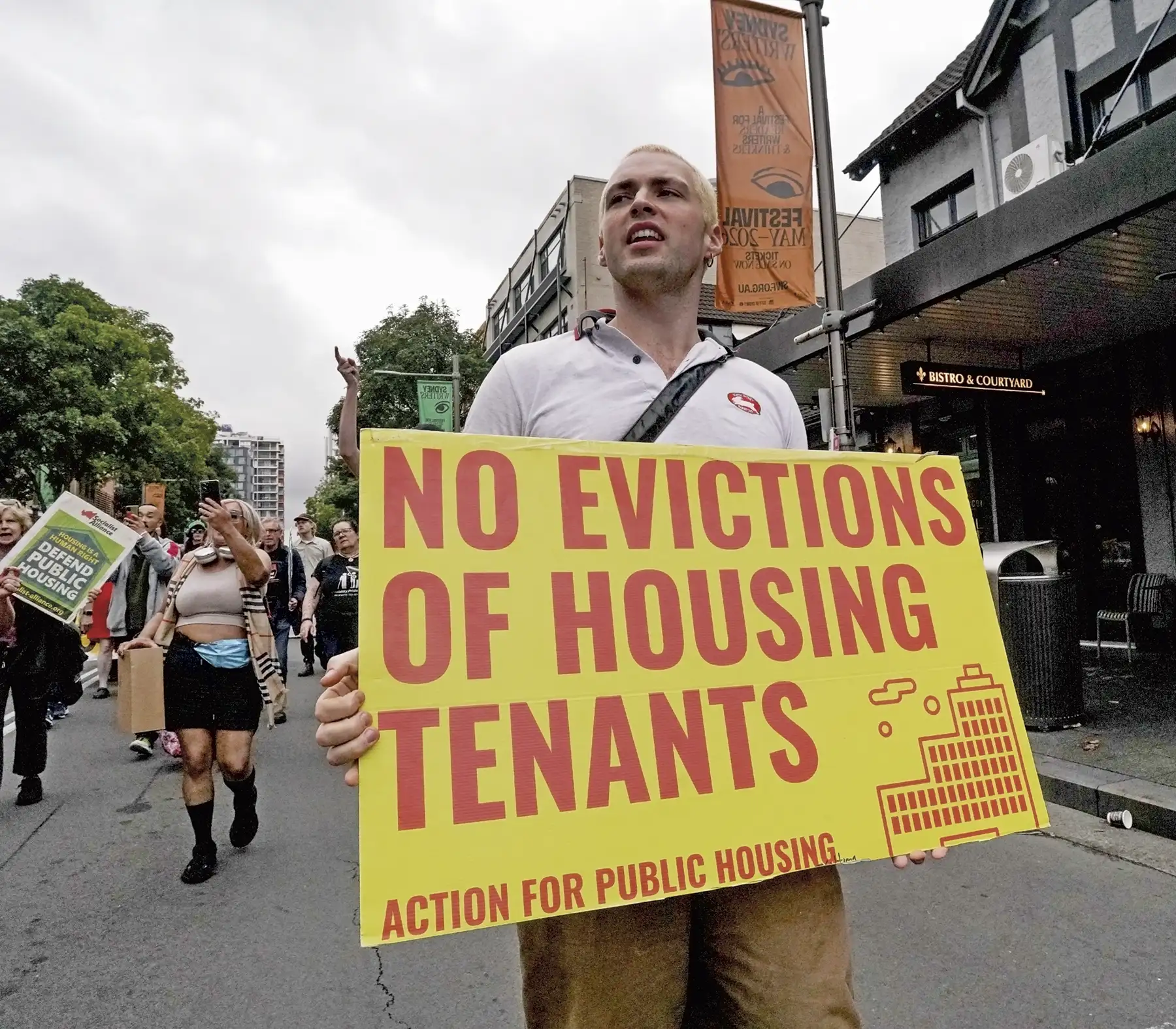
Whether it’s cleaning up a park, working on a fundraising campaign, or getting organised to advocate for change, a few things can help make the process smoother and more productive.
- Define the goal: What exactly do you want to achieve? It may seem obvious, but taking the time to outline and agree on a specific purpose will help ensure everyone is on the same page and focused.
- Delegate tasks: Not everyone needs to do everything – break down the work so that everyone has a role they can play. This will help keep everyone motivated and moving forward—ownership of the actions, outcomes and shared workload all help.
- Stay organised: Make sure you have a plan, and everyone knows what’s expected of them. This will help avoid any confusion or conflict. Clear documentation, updated regularly, in a digestible format and issued timely before and after meetings, goes a long way.
- Make time for discussion: As things arise or changes need to be made, take the time to discuss them as a group. This will help keep everyone in sync and ensure everyone is still on board with the project.
- Celebrate successes: When you reach milestones or accomplish something significant, take the time to celebrate! This will help keep everyone motivated and excited about the project.
Action groups can fall over due to poor facilitation.
Group facilitation can go wrong in many ways. One common way is when the facilitator becomes too attached to the group’s outcome and loses sight of the process. This can lead to the facilitator pushing the group in a particular direction or manipulating the group to get the result they want. Facilitators need to guide through enabling individual contribution to the group process, not controlling.
Another common way group facilitation goes wrong is when the facilitator is not adequately prepared. This can lead to the facilitator not having a clear plan for how the group will work and what will be accomplished.
Finally, group facilitation can go wrong when the facilitator does not have the proper skillset. This can lead to the facilitator’s inability to handle difficult conversations or maintain group control. Facilitators need not always be experts in subject matter but must understand facilitation and group dynamics. Its important facilitators are trained and have a range of tools that enable a group to become decision- and action-driven.
Facilitation skills are essential for any group leader, especially those leading inter-agency community groups. These groups can be complex and challenging to manage, but with the right facilitation skills, leaders can help keep things on track and ensure everyone has a voice.
Some tips for good facilitation skills include:
- Establishing clear goals and objectives for the group at the outset and revisiting these regularly. Watch out for mission creep but don’t become so rigged that you miss out on creative opportunities or suggestions.
- Keeping meetings focused and on track without allowing them to overrun. It would help if you respected people’s time, its easy to get engrossed in a particular subject, but in doing so, you might be losing everyone else interest. Learn to read the room and ensure balance.
- Ensuring that all participants have an opportunity to contribute without allowing any one person to hog the floor or the agenda.
- Creating a safe and welcoming environment where everyone feels comfortable sharing their views. Invite the ‘quiet spectators’ to participate by asking enabling and reflective questions, and don’t shy away from being provocative if it creates solid, productive conversation and debate.
- Handling difficult conversations or situations calmly and diplomatically. Focus on issues and facts and take a break if the issue becomes heated.
- Be mindful of your biases and assumptions and step aside when necessary. Help others to be mindful of theirs by being inquisitive and unpacking statements further rather than just accepting every random thought that is shared.
- Remaining neutral at all times, even when discussions get heated.
- Facilitating productive discussion by using opening or motivating questioning techniques such as “How do you think we should…?” or “What are your thoughts on…?” “Can you give examples…?”
- Encouraging participants to act based on the outcomes of the group meetings. Don’t allow agenda items to be carried forward forever or enable people not to be accountable between sessions. Meeting about meetings where the agenda never shift or no work happens in between them are talk fests and a waste of everyone’s time.
- Many well-intentioned individuals and groups get lost in the ‘process’ of trying to effect change in their communities. This can be especially true when multiple agencies or organisations are involved. It is important to remember that the goal should always be to help those in need, not simply to feel good about oneself. Getting bogged down in petty disagreements or becoming too focused on bureaucratic procedures can often impede progress and ultimately hurt those hoping for assistance. In order to facilitate action-orientated community groups, it is essential to maintain a sense of focus and perspective and keep the ultimate goal in mind.
Facilitating action-oriented meetings is essential to encourage community members to act and make a difference in their community. By providing a clear structure and direction for the discussion and emphasising the importance of taking action, the facilitator can help ensure that the meeting is productive and helpful. Emphasising the importance of working together, the facilitator can also help to create a sense of community among the participants.
Let us know how you go, or please share your own tips.



Leave a Reply