

You’ve got the message. It’s bold, raw, and demands long-overdue change. Yet somehow, it feels like no one’s really hearing it. Why? Why do movements packed with undeniable truth sometimes fizzle, leaving supporters frustrated, ignored, and disillusioned?
Let’s face it—because a great message, no matter how powerful, isn’t enough. Without the right strategy, even the most righteous cause can stall out. If there’s one thing history screams loud and clear about successful movements, it’s this—they don’t just happen.
They are forged through strategies that command attention and refuse to be silenced. This isn’t some hypothetical problem. Right now, we are losing time, ground, and momentum to poor planning and weak tactics.
Movements are crying for justice and falling into silence because their strategies don’t meet the urgency of their message. And that cannot continue. It’s time to leave “good enough” behind and adopt strategies powerful enough to match your words.
The Pitfall of Weak Protest Tactics
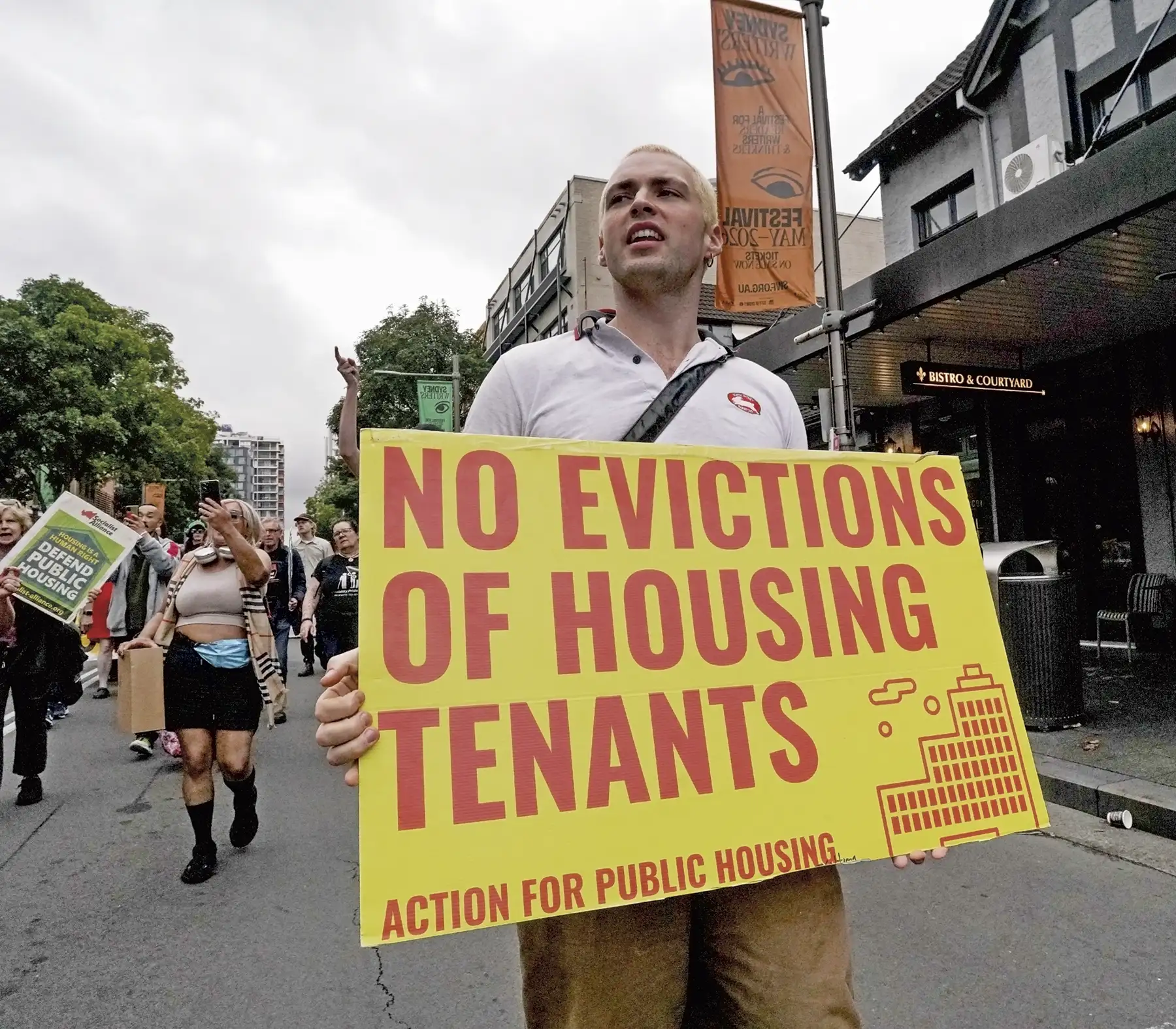
Think back to the last protest that fell flat. Maybe the turnout was sparse. Maybe the chants barely rose above the city’s noise, or the signs failed to grab attention. You probably felt a pang of discomfort, perhaps even secondhand embarrassment. The problem wasn’t a lack of passion—it was a lack of strategy.
Bad strategies fail movements from the inside out. They don’t just miss the mark; they sap energy. Supporters lose focus. Momentum fizzles. And, worse yet, they give critics an easy excuse to dismiss your cause altogether. When actions feel uncoordinated, even outsiders sympathetic to your cause may question its legitimacy.
But here’s the catch—poor strategy isn’t a dead end. It’s a wake-up call. Every failed protest is a chance to regroup, recalibrate, and come back stronger. What matters is recognising the flaw—and fixing it before it’s too late.
Examples of Ineffective Protest Tactics
- Art destruction: While it may seem like a bold and defiant statement to destroy property during protests, it often results in negative backlash and alienates potential supporters. This tactic also reinforces the stereotype of protesters as violent and destructive, and the original message is lost.
- Recurring dragged-out strikes: While strikes can be effective in sending a message, constantly dragging them out without seeing any tangible results can lead to frustration and burnout among participants and irritate your supporters. It’s essential to have clear goals and strategies in place for strikes.
- Gatherings preaching to the converted: It’s easy to preach to those who already agree with your cause, but it does little to reach new audiences or create meaningful change. Protests should aim to educate, build allies and not alienate.
- Shouting over dialogue: Loud and disruptive tactics may grab initial attention, but they can also hinder productive conversations and create division. People don’t hear your message; they see Crazy! Finding ways to engage in meaningful dialogue with those on the opposing side can lead to better understanding and potential change.
What Really Moves the Needle?
Here’s a question for you—when was the last time a protest truly shook the system? Think about those defining moments in history. Picture sit-ins that exposed the ugliness of segregation, marches so vast they consumed entire cities, and symbols so bold they became etched into public consciousness. Those weren’t random acts of resistance. They were masterful, deliberate, and visionary.
Great protest strategies don’t just make noise—they spark transformation. They disrupt. They challenge. They make it impossible for those in power to look away. A winning strategy is unapologetic, smartly crafted, and deeply connected to the community driving it. It creates a clear path between urgent demands and tangible results.
Now, imagine your movement infused with that same energy. A force so relentless, so undeniable, that it shifts hearts, shatters opposition, and reshapes the playing field. That’s the level you can—and must—reach.
The Cost of Hesitation
Take a moment. Look around at what’s happening in the world today. Can you feel the weight of the injustices that persist? Every day that hesitancy takes hold, oppression digs itself deeper. Every poorly executed protest hands just a little more time, a little more power, to the systems you’re fighting against.
This fight isn’t just about showing up. It’s about showing power. Half-measures aren’t cutting it. A march that no one notices or a hashtag that trends for an hour but vanishes by morning—these won’t move nations or ignite revolutions.
Your cause deserves unapologetic action. The kind that rattles walls and forces the world to see what you’re fighting for. If you’re in this for real change—and I know you are—then now is the time. It is the time to move from frustration to determination, from chaos to focus—the time to stop hoping for progress and demanding it.
Build Strategies That Command Movements
If you’re ready to break free from “good enough” and elevate your movement, here’s how to get started:
Carve Out a Clear Goal
What are you fighting for—at its core? Clarify it. If your goal can’t be boiled down into one clear, powerful sentence, it’s time to rethink your messaging. The people rallying behind you need a target they recognise, understand, and believe in.
Design Tactics That Refuse to Blend
Your protest can’t afford to be background noise. A quiet march or vague flyer won’t cut it. Plan actions that demand attention. Bold visuals, provocative slogans, and disruptive yet focused events ensure your message is undeniable.
Unite for Maximum Strength
Divided movements weaken themselves from within. Push aside differences and align the community. Unity sends a powerful message to allies and adversaries—it shows the strength of shared purpose.
Keep the Momentum Alive
A single protest is the spark. But what fuels the fire? Clear follow-up actions like petitions, town halls, and grassroots organising keep the energy high and the movement climbing forward. Don’t just inspire action—guide it.
Why Some Protests Succeed While Others Fade
When it comes to protests, the line between success and obscurity often boils down to one thing—strategy. What sets a movement apart isn’t just the passion behind it; it’s how effectively that passion is channelled into action. Here are three standout examples of protests that worked—and why they left a mark where others struggled to gain traction.
Women’s March 2017
A protest on a single day shouldn’t have the ripple effect that the Women’s March did. Yet on January 21, 2017, millions rallied in what became one of the largest single-day protests in U.S. history. What made it work? First, the march tapped into a deep well of collective anger and frustration following Donald Trump’s inauguration, whose rhetoric and behaviour toward women had already sparked widespread controversy. The sense of urgency was palpable.
But urgency alone wasn’t enough. The brilliance of the Women’s March was its ability to unify a variety of causes under one umbrella. It wasn’t simply about opposing Trump—it amplified issues like reproductive rights, healthcare, and sexual assault, creating a chorus of voices around shared values. This inclusivity, paired with a clear message and strong nationwide organisation, made the movement impossible to ignore. It also provided a template for future global actions, inspiring marches worldwide. The result? A spotlight shone on issues that had too often been sidelined.
Black Lives Matter Movement
If a movement’s success is measured by its ability to inspire systemic reflection, Black Lives Matter stands in a class of its own. While the movement dates back to 2013, its momentum surged in 2020 after the murder of George Floyd. At a time when many protests struggle to gain traction, why did BLM cut through the noise?
One key factor was the raw, visceral power of its message. “Black Lives Matter” is clear, declarative, and undeniable—it pulls no punches and leaves no room for misinterpretation. But the movement’s strength extended beyond messaging. It thrived because of its focus on visibility.
The protests that followed Floyd’s death weren’t isolated—they were everywhere. Massive numbers took to the streets, dominated social media platforms, and even spilled into boardrooms and global conversations.
Perhaps what truly set BLM apart was its ability to drive action. The protests weren’t just symbolic; they led to tangible outcomes, from conversations about defunding police departments to policy reviews across the nation. The movement’s ability to spotlight systemic inequality while proposing specific solutions redefined what a protest could accomplish.
Climate Strikes
At first glance, a youth-led global movement to combat climate change might sound like an uphill battle. But in September 2019, the Climate Strikes, spearheaded by teenage activist Greta Thunberg, stood as a lesson in the power of coordination and clear purpose. The strikes weren’t just significant—they were global. Millions of people across multiple countries walked out of schools, workplaces, and homes to demand urgent action from world leaders.
What made the Climate Strikes so effective was their ability to frame climate change as a universal, generational issue. While the data and urgency behind climate change are far from new, the movement recast the problem into a rallying cry for young people. By centring youth as not just participants but leaders, the strikes ignited a sense of empowerment for a demographic often overlooked in political discussions.
Additionally, timing played a crucial role. The strikes coincided with the United Nations Climate Action Summit, creating a strategic moment to grab the world’s attention. Pair that with Greta Thunberg’s now-iconic speeches, and the strikes transformed into more than just a single-day protest—they became a launchpad for sustained advocacy.
The Common Thread
What do these movements have in common? They excelled where others faltered because they grasped what it takes to drive sustained attention and action. Each of them succeeded by balancing emotional resonance with strategic precision.
- The Women’s March layered intersectionality and inclusiveness into its messaging, ensuring it resonated widely.
- The Black Lives Matter movement used relentless visibility to provoke conversations that couldn’t be silenced.
- The Climate Strikes understood their audience and centred youth as a vehicle for hope and urgency.
These protests didn’t just make noise—they made history. They demonstrated how thoughtful strategy, paired with authentic passion, can transform a movement from fleeting to unforgettable. The lesson here? Winning movements aren’t accidental. They are crafted—boldly, meticulously, and with an unwavering commitment to making change happen.
This Moment Demands Action
You’re holding a world-shaking message in your hands. But a message alone won’t rewrite history. It’s the strategy that turns sparks into roaring flames and drives movements over the finish line. Without it, your cause risks being overlooked or outright forgotten.
Understand this—your fight is too important for that. Don’t wait. Don’t hesitate. Find your fire and channel it into tactics that make people listen, make leaders act, and make injustice crumble.
The power to create history isn’t waiting for someone else. It’s right here, right now, in your hands. And the question you need to ask yourself is simple—what will you do to make it impossible to be ignored?




Leave a Reply