
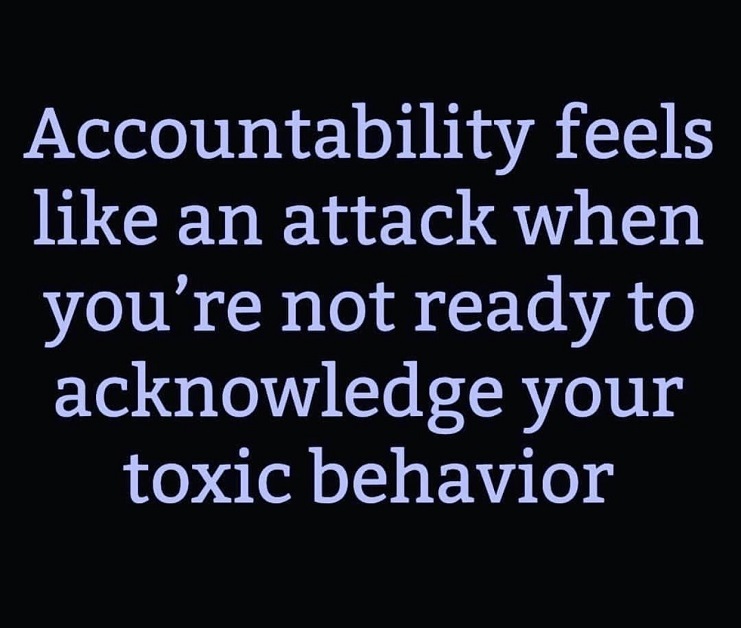
The conversation around toxic traits is often sidelined in a world bustling with self-improvement books, podcasts on becoming your best self, and social media posts about positivity and self-protection.
However, acknowledging and addressing our own toxic characteristics is crucial to genuine self-improvement and building healthier relationships. This blog post explores how to identify your poisonous traits and effectively deal with them.
Recognising Your Toxic Traits
The first step in tackling toxic traits is identification. Toxic characteristics can range from habitual behaviours that harm ourselves or others to thought patterns that lead to negative consequences. Examples include persistent jealousy, manipulative or defensive behaviours, excessive negativity, lack of empathy, and avoiding accountability.
Reflection and Self-assessment
Start by reflecting on your actions and their impact on those around you. Often, toxic traits manifest through patterns of behaviour that we justify to ourselves but that consistently lead to adverse outcomes. Consider moments when you’ve been defensive, when your actions have hurt someone, or when you’ve been dishonest. Being brutally honest with yourself during this process is essential.
Seek Feedback
Sometimes, it’s hard to see the forest for the trees. Asking close friends or family members for honest feedback about patterns of behaviour that may be harmful or destructive can provide valuable insights. Remember, this step requires openness to hearing uncomfortable truths about yourself.
Dealing with Your Toxic Traits
Once you’ve identified your toxic traits, the next step is to take proactive measures to address them. This process is often challenging and requires patience, commitment, and sometimes professional help.
Accountability
The foundation of this process is taking responsibility for your beliefs, actions and the harm they may have caused. This means acknowledging your toxic traits without excuses and understanding their impact on yourself and others.
Setting Intentions for Change
Change starts with a clear intention. Define what kind of person you want to be and how you wish to treat others. This vision can guide your actions and remind you why you’re committed to this path.
Strategies for Change
Develop a strategy for addressing each toxic trait. If you struggle with jealousy, for example, you might work on building self-confidence and practising gratitude. If you tend to avoid accountability, practise admitting mistakes and making amends.
- Regulate Emotional Responses: Practise mindfulness or meditation to become more aware of your emotional triggers and learn how to respond rather than react.
- Improve Communication Skills: Learn healthy ways to express your needs and feelings. Assertive communication can help prevent misunderstandings and conflict.
- Be mindful of the standards you hold others to: Often, toxic traits arise from our unrealistic expectations of others. Having reasonable standards and avoiding projecting our insecurities onto others is essential.
- Professional Help: Sometimes, dealing with toxic traits can be overwhelming and require professional assistance. Don’t hesitate to seek counselling or therapy if you feel stuck or unable to progress independently.
- Practise Self-compassion: The road to change is often bumpy. Acknowledge your efforts and progress, and practise self-compassion when you stumble. Remember, growth is a continuous process, and setbacks are part of the journey. Developing a sense of humour about your toxic traits can also help you take a lighter approach to self-improvement.
- Building Healthier Relationships: Changing toxic traits benefits personal growth and significantly improves the quality of your relationships. Healthy relationships are built on mutual respect, understanding, compassion and support. Addressing your toxic traits contributes to a healthier, more favourable environment for everyone involved.
- Be Balanced. While working on your toxic traits is essential, remember not to overthink or become overly critical of yourself. Acknowledge your positive qualities and celebrate them as much as you strive to change the negative ones.
Dealing with your toxic traits is a brave and necessary step towards personal growth and healthier relationships. The process requires introspection, honesty, and consistent effort. By committing to change, practising self-compassion, and seeking support when needed, you can better transform your life and the lives of those around you. Remember, the goal isn’t to become perfect but a better, more empathetic, and understanding version of yourself.




Leave a Reply