

Recently, people have become more aware of the extremes and subtleties of abusive behaviour, triggers, red flags, and being trauma-informed. While it is great that we are learning to spot these things, there is a danger in seeing life and everyone’s actions through a lens of sinister intentions.
Don’t get me wrong, the road to hell is paved with good intentions, and intentions and misplaced humour do not minimise impact; however, unbalanced awareness can lead to other unhealthy extremes where everyone must walk on eggshells in fear they might upset someone.
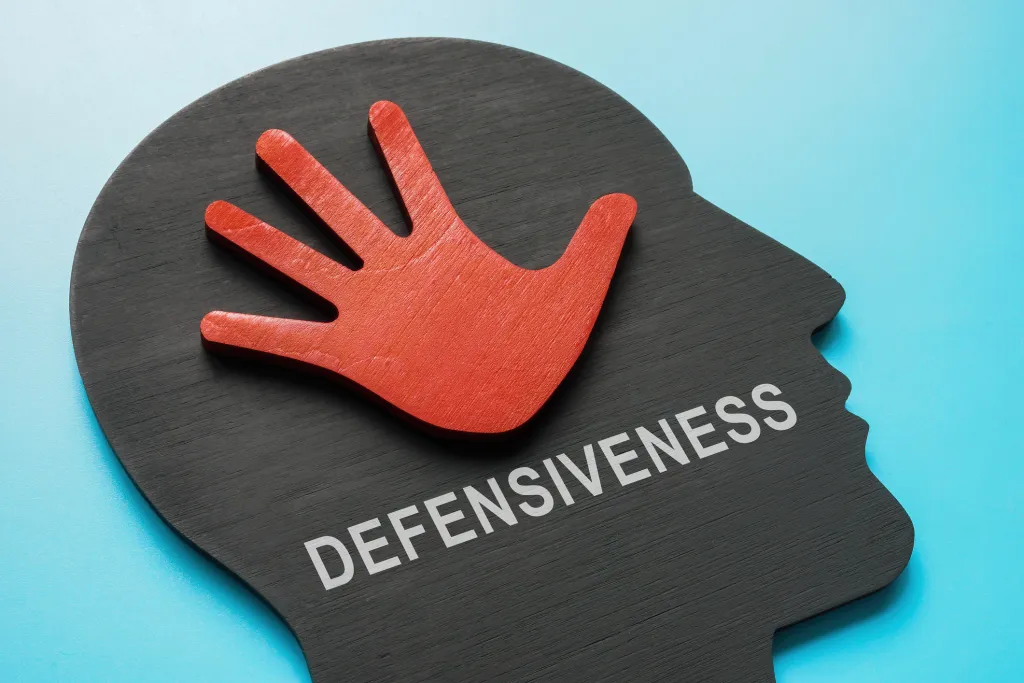
Extreme defensive behaviour, overanalysing and subtle paranoia can stop us from experiencing meaningful relationships and become stuck in a rut of negative thoughts. It’s essential to develop healthy balanced perspectives on all things and take responsibility for our own triggers instead of looking for the worst in others or constantly trying to police or change them.
It’s tempting and often understandable to see everyone as having ulterior motives, a potential threat or enemy, even more so with the people we are closest to, but this kind of thinking can damage our mental health and relationships.
When we approach life with untrusting, negative assumptions, we can’t help but expect the worst from others. This creates a self-fulfilling prophecy where we attract and incite the behaviours and people we try to avoid. Instead, it’s important to approach people with an open, curious mindset, assuming positive intentions whenever possible.
Of course, being aware of red flags and triggers is essential, as is self-care and protective action. But constantly obsessing over them and seeing them everywhere is not necessarily healthy. This constant vigilance puts us in a hyper-alert state. Fight or flight mode kicks in, and we take too many things personally; we find it harder to relax and be our authentic selves.
Moreover, this subconsciously signals to others that we are not available for connection or trust and can prevent people from being authentic with us. We must remember that everyone has their struggles and imperfections- assuming malice where there is not only creates unnecessary conflict and tension.
Not expecting you from others and learning that people are people and accepting them as they are warts and all can make for a happier, more connected, and more contented life.
It’s also important to take responsibility for our own triggers and reactions. If certain behaviours or situations consistently upset us, we need to be honest with ourselves about why that is. It’s not fair to blame others for our emotional reactions. Instead, we can work on healing those parts of ourselves that are sensitive or wounded- so that we can respond to life more calmly and resiliently. Doing so makes us less reactive and more capable of seeing others’ behaviours in a balanced light.
We must remember that everyone comes from a different place and carries their own baggage. Assuming the worst of them does not create a safe space for connection or growth. Instead, we must be willing to meet others where they are and engage with them from a generous, empathetic place. Focusing on the negative behaviours we see in others is easy, but focusing on strengths and positive attributes can create a richer, more authentic relationship. Let us strive to see others with compassion and not let our fears or past traumas prevent us from forming meaningful connections.
In conclusion, while it is essential to be aware of red flags and our triggers and respond when required, it is equally important not to see life through a lens of sinister intentions. We can miss out on genuine connections and meaningful relationships when approaching others from a defensive, paranoid place.
We all have ‘baggage’ that informs our unique perspectives and should expect people to be sensitive to that and respectful, however, we must also take responsibility for our own triggers and reactions while treating others with compassion, empathy, and openness. Doing so creates an environment of safety and trust where growth and healing can occur.
Let’s strive to see the best in others whenever possible and create a world where kindness and understanding prevail not fear and mistrust.




Leave a Reply