
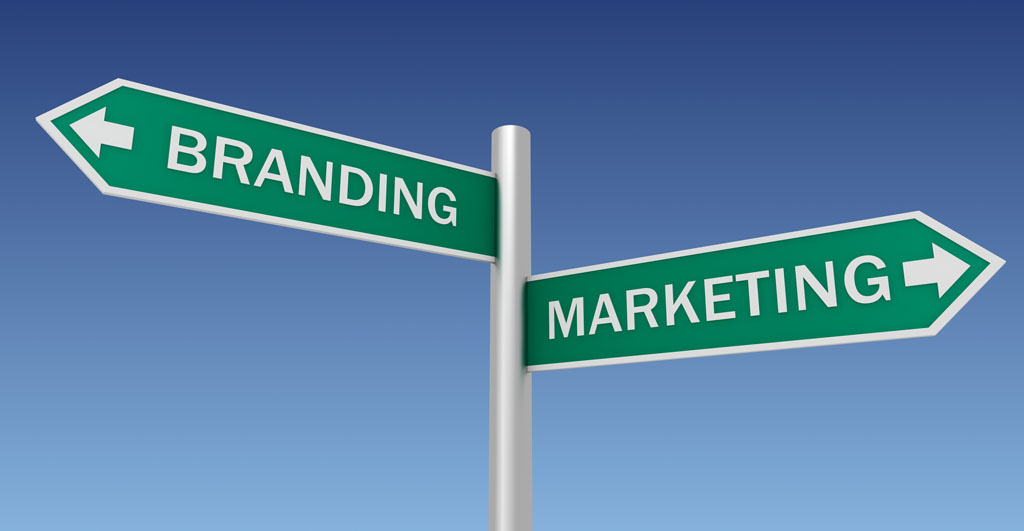
For non-governmental organisation (NGO) workers, understanding the differences between branding and marketing is crucial to creating successful strategies for both.
Sadly, many NGO workers are put in charge of their branding with no expertise, training, or input from those who do it for a living, thus why many strategies deployed fall over.
If you can afford expert assistance or hire a communication officer, you should.
On the other hand, in addition to coping with shoestring budgets, Branding and Marketing are everyone one’s responsibility when they work for an NGO. (or at least it should be if it has any chance of success.)
Understanding some basics is an excellent place to start; Branding refers to how a company or organisation is perceived, while marketing uses communication and promotional materials to reach out to their target group.
The significant difference between branding and marketing lies in their focus on external vs. internal or current and future ‘customers’.
Marketing seeks to generate interest from the public, while branding focuses on building a good reputation within the organisation that speaks for itself.
In this way, branding can be seen as an extension of marketing that emphasises the positive aspects of an organisation and its mission rather than simply trying to draw attention from potential new customers, funders or donors through advertising campaigns.
Branding can also be a good tool for organisational growth. A strong brand identity gives individuals within an organisation a unified sense of purpose and direction regarding their mission and goals. It can help to foster loyalty amongst employees, as they become more likely to view themselves as integral team members when they identify with the brand they represent and can be proud of. If it does not, it’s time to review your brand or who is in your team.
A clear brand message can also help attract new talent and provide job seekers with an easily identifiable reason why they should join the team. Job satisfaction trumps financial incentives any day.
Marketing gives organisations direct access to potential customers, funders or donors through promotional channels such as social media, television commercials or other advertising forms.
Your brand is your organisational identity, who you are, what people experience when they engage with your organisation and how they feel after they have long gone. Your organisation’s values, mission and vision, tangible visuals, and service delivery make up your brand’s Framework.
A successful brand must have a clearly defined purpose and message, be authentic to its core mission and goals, and have an attractive visual representation. It should be distinct from competitors, deployed consistently in a safe and culturally appropriate manner and founded on integrity and continuous improvement.
Good branding strategy will foster trust—loyalty among stakeholders and the wider public.
Your branding strategies should clearly and creatively reflect organisational values, objectives, and deliverables and provide a positive experience to those your work seeks to engage.
These elements work together to create a strong brand identity to help your organisation stand out in a dense and sadly competitive non-profit sector.
Overall, branding and marketing are two separate concepts that should be leveraged together to maximise the effectiveness of a non-governmental organisation’s message.
A strong brand identity will inform and strengthen any promotional materials used in marketing campaigns, while successful campaigns can be used to bolster the overall brand message. By working together, these two concepts can create a successful and instantly recognisable organisation that stands out.
An effective marketing strategy will have multiple facets, including a well-crafted message that resonates with its target audience, an understanding of the current market conditions and trends, and a plan for using the wide range of marketing tools available.
Your strategy should never underestimate or forget the power of word of mouth! What people say about your team’s work and what they say about their experience matters.
While it can be difficult to accurately measure success in terms of true ROI (return on investment), businesses often use metrics such as website hits or signups to gauge how well their campaigns perform compared to others in their industry. The actual test comes with return and sustained service access from your target group that delivers outcomes.
To ensure success in both strategies, NGO community workers must clearly understand who all their customers are and what values they are looking for when selecting products or services from an organisation like theirs. If you are person-centred, this should be a walk in the park.
Additionally, you need to create content that speaks directly to these key members of the target population instead of relying solely on generic messaging, which could fall flat if it is not tailored specifically for different target groups.
It’s essential for organisations using both strategies simultaneously to maintain consistency across all promotional materials — whether it be through logos, slogans, taglines or style guides, corporate colours and other elements — so that each piece works together seamlessly towards achieving success in both areas simultaneously -on both short term campaigns but also long term objectives over time.
Additionally, don’t forget to consider seasonal changes when planning any campaign -ensuring the message remains fresh yet consistent across different platforms and timescales.
Be cautious about using poverty porn and sad story as tactics in marketing materials, as they can be seen as exploitative and disingenuous and will likely result in unreceptive reactions from potential supporters.
Remember, stakeholders see through spin and bullshit pretty quickly; claiming to achieve more than you are or to be one thing in promotional material and yet another, in reality, will do irreparable damage to your credibility.
Many free and low-cost marketing tools are available to NGO community workers to help facilitate the success of their campaigns. From online forums and surveys to analytics tools and sorts of applications and platforms to utilise. These can all be used to effectively reach out to potential customers or donors and provide valuable data on each campaign’s success.
By ensuring an effective combination of branding and marketing strategies, NGOs can effectively reach their target audiences with minimal effort. This will help them increase awareness of their cause while obtaining the long-term support they need to continue their work.
Finally, NGOs should always strive for transparency when implementing either strategy – ensuring that all stakeholder needs are being taken into account without sacrificing integrity and listening carefully to stakeholders’ feedback. This will ultimately help provide a better overall experience – creating trust between parties, which will help strengthen relationships over time.
Have your own tips or practical examples, then please share them below.





Leave a Reply