
Good community engagement is the key to any successful long-term development project. But what exactly is community engagement, and how can you go about developing a community engagement plan that will ensure your project’s success?
Keep reading to find out some essential tips.
What is meant by community engagement?
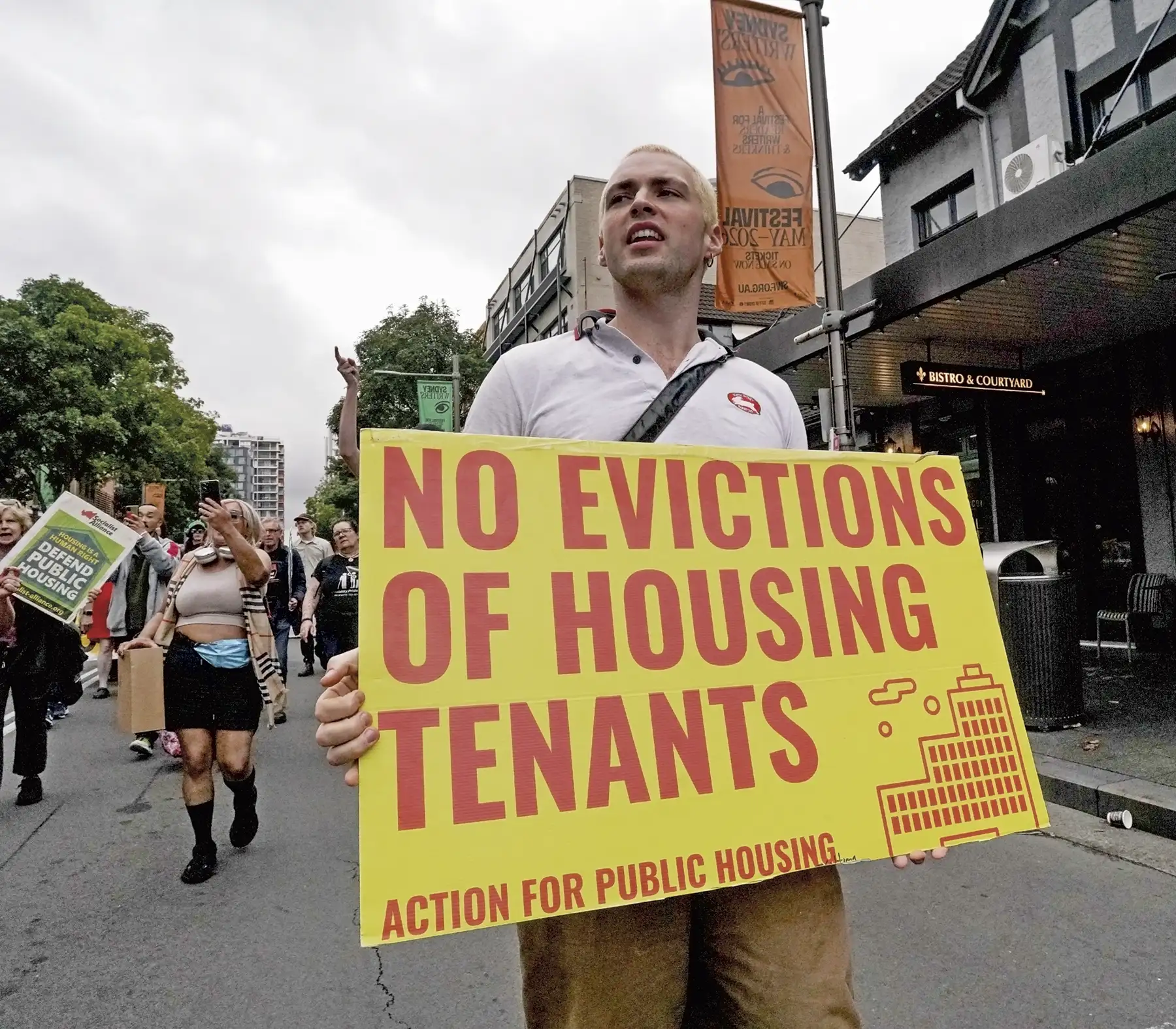
Community engagement is all about involving people in the planning, design, decision-making, and implementation of development projects that affect them. It’s about ensuring everyone who stands to be affected by a project has a say in what happens and how it happens. It’s vital to take the with you on the journey and create community ownership before, during and after the project commences.
Why is community engagement critical?
Community engagement is essential for several reasons. For one thing, it helps to ensure that projects are designed to meet the needs and expectations of those who will be using them. Engaging with the community also helps to build trust between local people and project developers, which is essential for the long-term success of any project.
How can you go about developing a community engagement plan?
There’s no one-size-fits-all answer to this question, as the best way to engage with a community will vary depending on the specific context and needs of the project. However, some general principles can be followed when developing a community engagement plan.
How to Plan for engagement
The first set of questions you need to ask when planning for community engagement are:
- Be Clear on why you are carrying out this consultation and What you hope to achieve from this community engagement? What will the engagement influence, and what will it not be able to influence? Nothing is worse for a community than witnessing an engagement process that raises expectations that can never be met.
- Who is the target audience? Who will bring the most insight? Who will be impacted or benefit the most from the proposal?
- What methods to use to consult with your audience? Will your methods be diverse enough to have enough reach?
- What is already known in this subject area? What previous examples can be referred to? What other consultations have happened?
- Who does the community already trust and engage with regularly, and how can you work with their expertise?
- How will people be able to participate and respond to the consultation in a way that is meaningful and comfortable for them?
- How will you reach beyond the usual suspects? While valuing the expertise of those most active
- Look at promotion, publicity, press releases, etc. What about future residents, not just the current ones?
- How long will it take? Think about all the stages involved, such as preparation, marketing, designing surveys, distribution and analysis.
- Suppose using meeting rooms for events or focus groups. Think about transport arrangements, access etc. Also, consider how long the analysis and final reporting will take
- Work out skills needed on your team and who is responsible for each part of the process.
- What is the budget? Consider the resources needed for each stage, e.g. printing questionnaires, venue hire, refreshments, etc.
- How much information or capacity building do you need to provide participants to make an informed decision?
- What support will need to be offered to participants?
- What costs and risks are there to your participants?
- How will you analyze the results?
- How will the results be presented? And how the results will be checked, feedback, and responded to
- How will you evaluate the consultation and know if it has been successful?
When to and NOT to consult
There are certain instances when consultation is inappropriate, such as when there is an emergency or when consultation would prejudice health & safety. You should also not consult when it is unlikely the consultation will not result in any changes to your proposal or project, which is insulating and eroding trust for years to come.
In these cases, it’s essential to keep people updated and informed as much as possible so they don’t feel left out or ignored.
A good rule of thumb is that if there’s any doubt about whether or not consultation is appropriate, err on the side of caution and do it anyway. It’s always better to have too much information than too little.
Mapping stakeholders
The next step in developing your community engagement plan is mapping out all of the stakeholders involved in or affected by your project. This includes everyone from those who live and work near the project site to local business owners, NGOs, residents, children, and community groups. Once you’ve identified all the relevant stakeholders, you can start thinking about how best to engage with each. Your engagement must be tailored and designed for each group and require different techniques.
Building relationships with these stakeholders, getting to know them, understanding them, and involving them in developing your engagement plan before you even start consulting is vital.
Pick your timing
Another important consideration when planning community engagement is timing. There are times of year or points in the project timeline when it’s more important or effective to engage with people than others. For example, you might want to launch a public consultation early in the project so people can have input into its overall direction and design. However, you might want to wait until later in the process before holding focus groups or public meetings so that people can give feedback on specific aspects of the project rather than its broad direction.
Be mindful of the impact of weather, sessions, other activities and holidays, and factor in potential loss of momentum through long gaps in the process.
Work out your methods
Now that you’ve considered who you need to engage with, what you need to engage them on, when you need to engage them, and why, it’s time to start thinking about how you will do it. There are many community engagement methods, from public meetings and surveys to social media campaigns and street stalls. The best way to decide which strategies suit your project is by considering your audience and resources. For example, a survey might be the best way to go if you’re trying to reach a wide range of people from different age groups and backgrounds. However, a focus group might be more effective if you’re trying to get a specific group of people and obtain more complex perspectives (e.g., young mothers). You must choose appropriate methods for your audience and your budget to get the most bang for your buck.
When analyzing the results, you should consider?
- Are people satisfied/dissatisfied with the conversation?
- What are the common areas of agreement?
- Where do opinions differ? And why is that the case? can further testing be done
- Are you meeting expectations? Why not? How can you improve?
- Can you compare the findings against other projects, communities, or projects?
- Does further engagement have to take place?
When bringing the feedback together, it is worth thinking about
- Which things can you easily change as a result of the engagement in the short term?
- Which things do not need action, e.g., positive feedback?
- Which things will require long-term change or might not be achievable?
- Which things highlight a need for immediate action?
- Which thing can you not respond to, consider, and why?
- What are the next steps, recommendations and timelines?
- What have been the lessons in your process for future engagement?
- How did your engagement meet recognized national and local engagement standards, and where did you fall short?
Developing a well-thought-out community engagement plan is essential for any successful long-term development project. Do not rush into it and assume it will be a straightforward exercise. By taking the time to consider who needs to be engaged, what they need to be engaged on, when they need to be engaged, how they need to be engaged, and why, you can develop an effective strategy for ensuring that everyone who stands is affected by your project has a say in what happens and how it happens.
Good engagement will save you a lot of migraines as your project develops. Please feel free to share your tips below.
Remember Provocare coaching can provide training and support for your engagement projects and staff.



Leave a Reply