
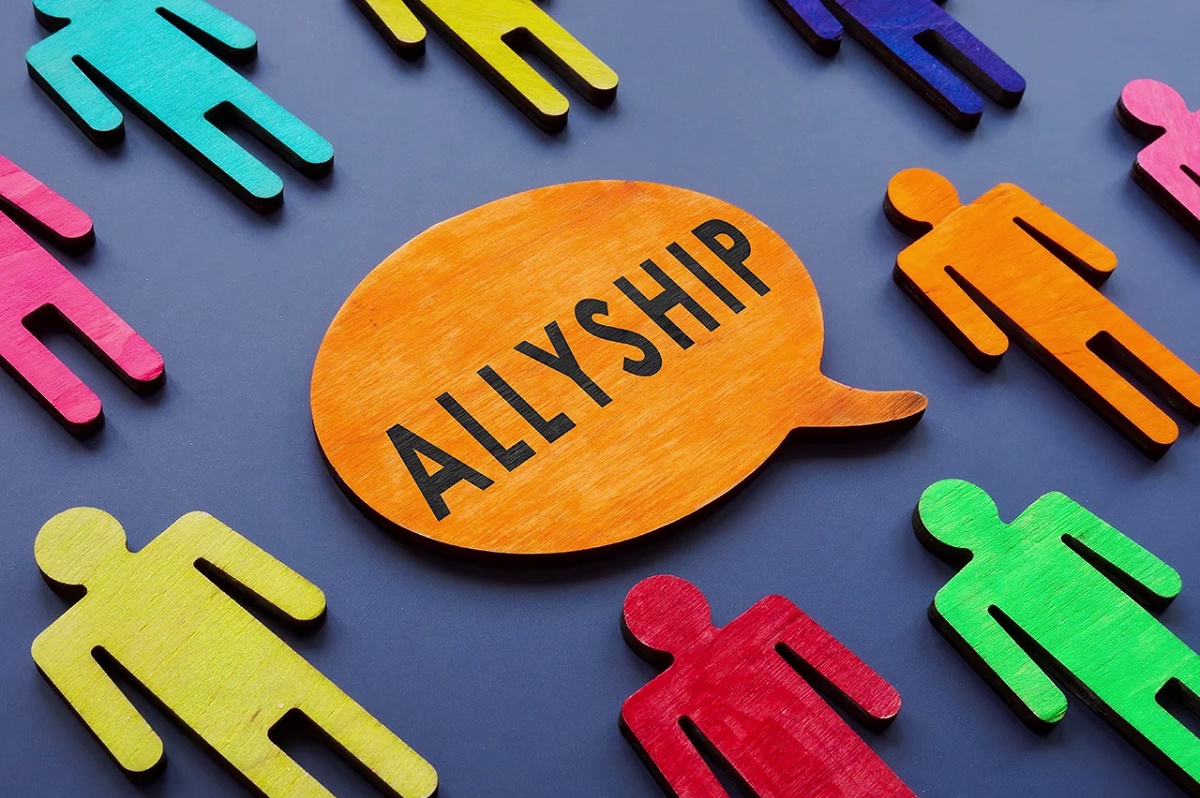
NGO advocates and social justice warriors, lend me your ears. In the grand theatre of social change, there’s a debate raging over whether allyship or agitation is the more effective advocacy strategy. Spoiler alert— for me, it’s allyship, hands down! And here’s why.
The Art of Collaboration
Allyship fosters collaboration and understanding, building a stronger foundation for change. Think of it as the ultimate team-building exercise. When groups work together, share knowledge and pool resources, they create a powerful force for good. Agitation often leads to a battlefield where division and resentment grow like unruly weeds, stifling progress.
Take the Black Lives Matter (BLM) movement, for example. Non-black allies used their platforms to raise awareness and funds for anti-racism initiatives. This alliance amplified the voices of marginalised communities and created a ripple effect of change that was both impactful and sustainable. Contrast this with instances where agitation led to fragmented efforts, and the choice becomes clear.
Amplifying Voices
One of the most potent weapons in the arsenal of allies is their privilege. Allies can use this privilege to amplify the voices of marginalised communities, creating more impactful and sustainable solutions. While agitators might grab the mic and shout, allies hand it over to those who need to be heard the most.
Look at the “I’ll Ride with You” campaign in Australia. After a terrorist attack, non-Muslims offered to accompany Muslims on public transportation to protect them from harassment. This solidarity spoke volumes, supporting the Muslim community and fostering an environment of inclusivity and safety.
Personal Growth and Learning
Allyship encourages personal growth and learning. It challenges individuals to reflect on their actions and beliefs, pushing them to evolve. Conversely, agitation can stagnate personal development by creating a toxic “us vs. them” mentality.
Consider the American Civil Liberties Union (ACLU) and its allies. They advocate for marginalised groups, including non-binary individuals, immigrants, and the LGBTQ+ community, through legal defence and policy reform. By prioritising allyship, they create tangible change and inspire others to examine their biases and become better allies.
Not defending government approaches but understanding them
Allyship does not mean condoning or defending unjust government policies or practices. It means understanding the underlying issues and working towards long-term solutions.
For instance, NGOs can partner with policymakers to create effective and sustainable change. This collaboration allows for a deeper understanding of complex societal issues and encourages empathy towards decision-makers, leading to better-informed policy decisions.
Working with decision-makers within the tent
Allyship allows NGOs to work within the tent of decision-makers. Instead of being outside, throwing stones and agitating for change, they are inside, working collaboratively towards common goals.
Take the climate activist Greta Thunberg. Her powerful message resonated with young people worldwide and inspired them to take action. However, she also recognised the importance of engaging with policymakers at the United Nations Climate Summit and advocating for tangible policy changes.
Sustainability
Finally, allyship is sustainable in the long run. While agitation might garner short-term attention and spur immediate action, it’s not sustainable. In contrast, allyship builds relationships, trust, and understanding, creating a solid foundation for lasting change.
Speak up
Allyship doesn’t mean being timid or complacent; it means being strategic and intentional in approaching social change. NGOs can create a more significant and lasting impact by prioritising collaboration, amplifying marginalised voices, promoting personal growth and learning, and working within the decision-maker’s tent. So, let’s put down our picket signs and megaphones and embrace allyship as the most effective strategy for creating meaningful and sustainable change.
No matter your role in advocacy or activism, remember that allyship is not about taking the spotlight but instead using your privilege to uplift others’ voices. It requires active listening, continuous education, and a willingness to learn and evolve. So, let’s strive to be allies, not just agitators, in the fight for social justice and equality. Because when we stand together as allies, our impact is more significant than any individual could achieve alone.
More Inclusive Approach
Agitation often alienates individuals who might be potential allies. On the other hand, allyship takes a more inclusive approach that brings people together rather than dividing them. Collaborating with individuals from diverse backgrounds leads to a broader range of perspectives and ideas.
By prioritising allyship, we can create a more inclusive and welcoming environment. It ensures that everyone feels seen, heard, and valued. Agitation might win a battle or two, but allyship wins hearts and minds, leading to long-term, systemic change.
Imagine a garden where every plant, regardless of size or colour, gets the sunlight and water needed to thrive. That’s the power of allyship. It nurtures a diverse ecosystem where everyone has the opportunity to flourish.
The debate over allyship vs. agitation is ongoing, complex, and context-dependent. Both approaches have valid arguments, and continuing to discuss and explore this topic is essential. As NGOs, we must constantly evaluate our strategies and ensure they align with our values and goals.
Here are a few questions to consider:
- How can NGOs effectively balance allyship with agitation in their activism efforts?
- How can allyship be incorporated into an NGO’s organisational culture and values?
- How can NGOs ensure their allyship efforts are sustainable and impactful in the long run?
As we navigate challenging times, we must remember that change is a continuous process, and there will always be room for growth and improvement.
One crucial aspect of effective allyship is intersectionality – recognising that individuals experience oppression differently based on various intersecting identities such as race, gender, sexuality, ability, etc. By understanding these different perspectives and experiences, we can better support and uplift each other.
As individuals and organisations, let’s strive to ally with marginalised communities. Let’s actively listen, learn, and use our privilege to create a more equitable society for all. We can make real and lasting change when we stand together as allies. So, let’s choose allyship over agitation—Because when we stand together as allies, we can create real and lasting transformation. Not just today but every day. The world needs it now more than ever before.




Leave a Reply